Blog

An Introduction To Rosé Wine

This post may contain affiliate links, please read our disclosure policy.

Interested to learn more about Rosé wine? Discover why it’s pink, it’s tasting notes, pairing suggestions how to serve Rosé wine, plus 7 varietals that are under $20 that you should definitely try!

Rose Wine

Rosé wine can be a misunderstood variety of wines. I say variety, not varietal because rose wines are the result of a certain type of wine making. Red grapes and white grapes produced in traditional wine making practices produce red and white wines, respectively.

Rosés are an interesting cross between the typical red and white varieties where the batch starts off with red grapes. Instead of the red grape skins staying inside of the fermenting wine, they are taken out leaving the wine with a pinkish hue instead of the deeper red tones associated with varietals such as Syrah or Cabernet Sauvignon.

As far as everyday drinking wines go, especially during summertime, Europeans enjoy copious quantities of rose wines. Americans tend to associate roses with some cheaper brands of wine like White Zinfandel which tends to have an overly sweet taste.

Rose certainly is not limited to pink sugary brands that tend to be guzzled rather than sipped.

Made through a process called saignee, Rosé wine is technically a red wine that is not finished. That being said, rose wine is completely different from red wine. Both are made from red grapes left to ferment in a vat, but when making rose wine, you quickly separate the juice from the grape skins. The remnant skins are used to make red wine which is what makes it more colorful and robust than rose wine.

Learn about Rose Wine

Rosé Wine Characteristics

Color

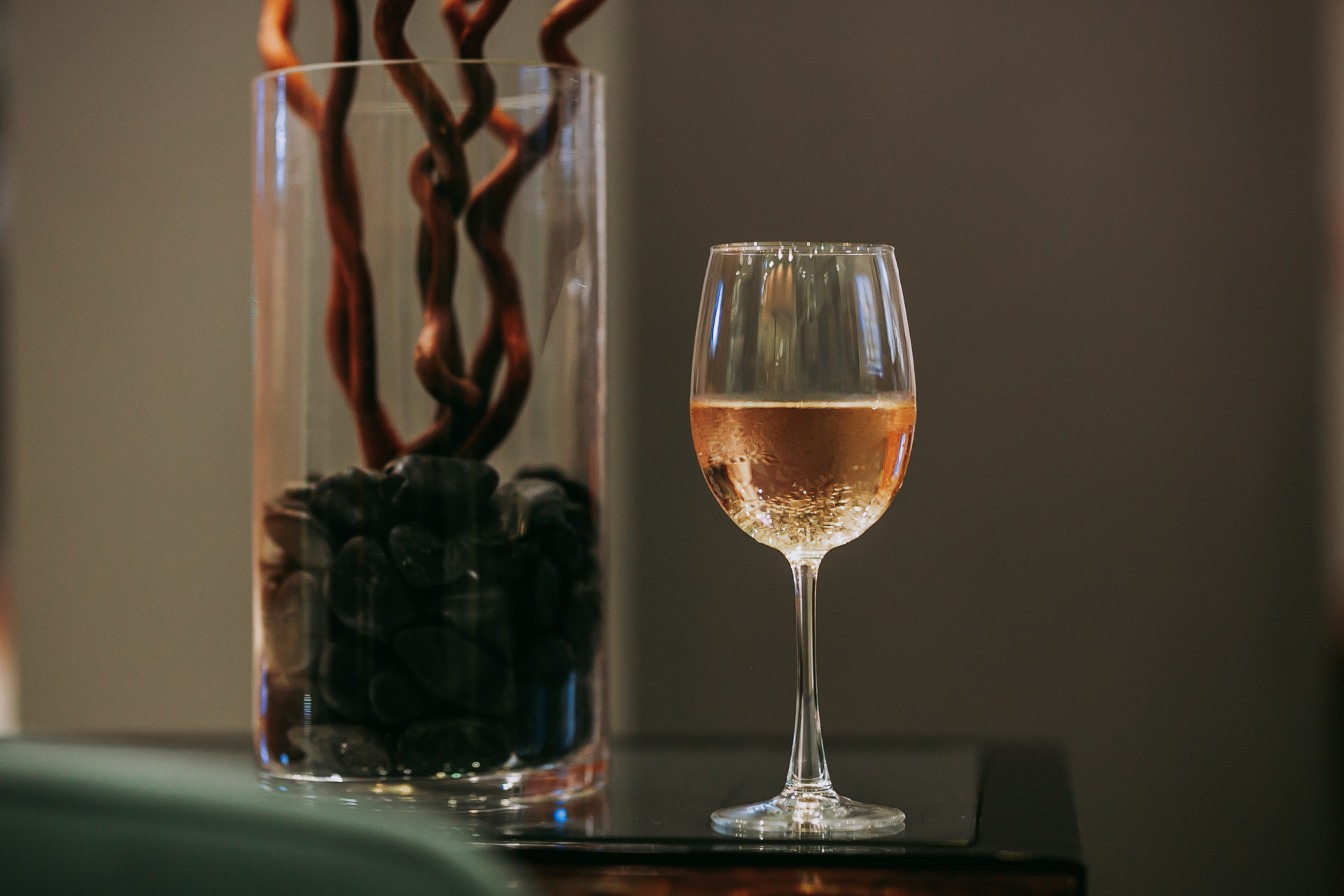
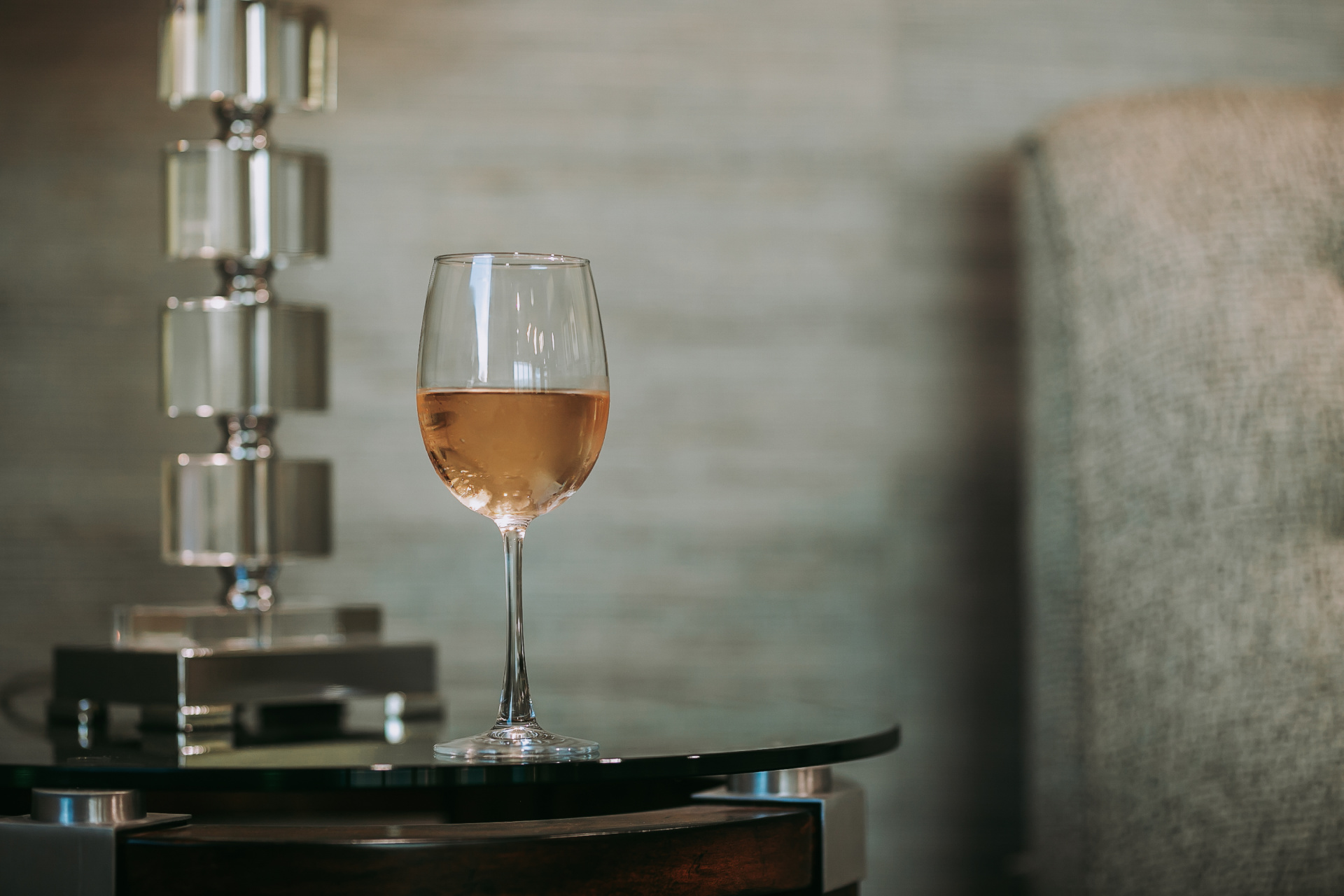
Rosé wine is lighter in color than red wine because during processing, the grape skins are only soaked briefly before they are removed. Depending upon the technique used to make the wine, rose wine can vary in color. The color can range from pink to pale orange and as dark as a vivid pinkish-purple hue. The wine should be clear without cloudiness or sediment.

Taste

Rosé wine has a light body, and the flavor is fruity and tangy with a hint of the spiciness and complexity of a red wine. Despite the fact that this is a sweet wine, it is not sugary sweet — it is dry. That being said, the flavor can vary some depending upon the type of grape used and the method used to make it.

Smell

The smell of rose wine is similar to its flavor. The aroma has slightly floral undertone, but it is not at all rose-like. The predominant scent if fruity. Hints of berries including strawberry and raspberry stand out among the medley of scents. The faint smell of geranium and pomegranate may also be present.

Texture

Wine has a texture that can range from light to thick depending upon the variety. Rose wine tends to be light and refreshing. The delicate texture of rose wine is also silky smooth and clean on the palate.

What is Rose Wine

Rosé Wine Pairing Suggestions

Personally, I think it as a perfect drink in summer months that pairs well with seafood and pork. Because Rosé has a subtler flavor than most other wines, it pairs well with a variety of cuisines. For example, the delicate flavor of the rose means it won’t overpower sole or other mild fish. Rosé also pairs well with pork. International food whose flavors are naturally complemented by the fruitiness of rose include Thai, Greek, Mexican and Chinese.

What Temperature Rosé be Served at?

Rosé wine should always be served chilled, ideally at a temperature of 55 degrees Fahrenheit. This temperature can be achieved by placing the bottle in the refrigerator for several hours. If you need to chill the wine and don’t have the benefit of a refrigerator, fill an ice bucket three-quarters of the way with ice, then add enough water to the bucket to just cover the ice. Immerse the bottle of rose in the ice bucket for approximately 10 minutes.

What Wine Glass Should Rosé be Served in?

For younger crisper roses, pick a glass with an enlarged opening, meaning that the rim of the glass is slightly larger than the body. This shape directs the wine to the tip of the tongue, the part of the tongue more sensitive to sweetness, which helps to balance the acidity of the younger wine. For a more mature rose, pick a glass with a larger, fuller body. This allows the wine to have greater exposure to oxygen, which assures that the aromas can appropriately ripen.

How to Pour Rosé

Pour the Rosé by aiming the top of the bottle at the center of the wine glass. The glass should be filled to just below the widest part of the glass, or slightly less than halfway. When finishing the pour, lift the neck of the bottle up and twist the bottle slightly to avoid spilling. A host should always ensure that guests have more than one sip of wine left in their glass, and refill accordingly. If more than one type of wine is being served at a party or dinner, consider serving each wine in a different glass.
Rose wine introduction

Below are eight varietals that you may not have thought to be starting points for some truly interesting rose, all under $20.00!

Yes, please! Whether you’re planning a backyard barbecue, a beach picnic, or just unwinding on the patio, a chilled bottle of rosé is the ultimate warm-weather companion. But not all rosés are created equal—and the good news is, you don’t have to break the bank to find something truly special. Below are some standout bottles, all under $20, that showcase the diversity and deliciousness of rosé. Cheers to sipping pretty!

Hogwash Rosé

Varietal: California Rosé of Grenache

Hogwash is the kind of rosé that makes you want to grab your sunglasses and head outside—no matter the season. It pours a pale salmon pink and bursts with notes of juicy watermelon, wild strawberries, and just a hint of citrus zest. Crisp and refreshing with a dry finish, it’s incredibly food-friendly but also perfect for easy sipping on its own.

French Blue Bordeaux Rosé

Varietal: French Bordeaux Rosé

Made from red wine grapes selected and expressly harvested for being made as a rosé wine with a gentle pressing to gain a light hue of pink, with the utmost care taken to preserve the delicate flavors and aromas.

Flat Top Hills Rosé

Varietal: Grenache and Carignan

This wine is fruit-forward, yet dry and supple. This beautiful pink hued wine suggests aromas of strawberry cream pie, guava and has floral notes with a touch of whipped cream and mango on the finish.

Villa Wolf Rose de Pinot Noir

Varietal: Pinot Noir

At one point, most wine drinkers stand firm and say they will never break down and try a certain type of wine. This acidic, sweet yet not sugary, incredibly delicious wine changed my outlook on roses forever. The vintage has proven to be just as good. Show up with at least two bottles to the next bbq where you’re looking to make an impression.

Valle Reale Cerasuolo Rosato

Grape Varietal: Montepulciano d’Abruzzo

Strawberry pastry is the overwhelming trait that comes through on this wine. It can be enjoyed cold or at room temperature similar to full red wines. While it can be enjoyed solo, like most roses, this wine has structure and strong flavors to pair up with fish, chicken and lighter fair and hold its own very well.

Verget du Sud Rose de Syrah Vin de Pays du Vaucluse

Grape Varietal: Syrah

Focused acidity and berry flavors help this rose stick out as truly memorable. Body and complex flavors are matched with great acidity which help this wine cut through a buttery lobster dinner with ease.

Chateau d’Esclans The Beach (The Palm) Whispering Angel

Grape Varietal: Cinsault

The Cinsault grape is a high-yielding, heat-loving red variety from France’s southern Rhône region, used in blends including Châteauneuf-du-Pape and Cotes du Rhone.

Cameron Hughes Campo de Borja Rose of Garnacha

Varietal: Garnacha (Grenache)

Grenache as a full bodied red is known for having notes of black pepper and strawberries. This rose carries those traits well and transcends into a more graceful with notes of minerality that are not usually found in regular Granache wines. This wine is also a summertime thriller for barbecues.

Who knew there were so many ways to rosé? From fruit-forward sippers to those with a bit more structure and complexity, these budget-friendly bottles are proof that great wine doesn’t have to come with a hefty price tag. So whether you’re team Grenache, Pinot Noir, or new to the pink side altogether, there’s something here to pop open and enjoy. Let the rosé exploration begin!

Like bubbly? Learn more about Rose Champagne.

Have you seen Frose at just about every restaurant and winery you have been too? Me too….Here’s what a Frose is:

What is a Frose? Are you ready to take your summer sipping game to the next level? The frozen rose wine slushies that are taking the drinks world by storm! Frose is a fruity and fun twist on traditional rosé, created by freezing a bottle of rosé with added fruit puree. The result is an icy cool, sweet-tart treat for those hot summer days. Not only does it have all of the refreshingly light notes of classic rosé, but it also has some added sweetness from the fruit puree. Plus, who doesn’t love slurping up a slushy drink? This delicious cocktail is so easy to make at home – just combine one bottle of rosé and 4 ounces of fruit puree in a blender cup and freeze until solid.
What does Rose Wine taste like?

Do you have a favorite Rose? If so, what is it?

Make sure to visit Food Wine Sunshine for more travel and wine tips and stay up to date with me Facebook, Twitter, Pinterest, and Instagram.
What Do You Eat on a Paleo Diet?

This post may contain affiliate links, please read our disclosure policy.

The Paleo Diet, also called the Caveman Diet, consists of foods that our ancestors would have eaten. Those that live a Paleo lifestyle believe in eating what the earth provides. Learn more.

What Do You Eat on a Paleo Diet

What Do You Eat on a Paleo Diet?

Are you curious about the Paleo diet? Wondering if this diet is right for you? If yes, then continue reading to learn if this is the right lifestyle change for you!

What is the Paleo Diet?

The Paleo diet is all about eating natural foods that are not processed. The mission for those looking to go on the Paleo diet is to eat as our ancestors did. Our Paleolithic ancestors only had access to eat foods naturally grown on our Earth. This is what the Paleo diet swears by and with that, I figured I would share some foods you can eat when you’re on a Paleo diet.

The Paleo diet includes foods like vegetables, fruits, and meats or other natural products that would arrive on our Earth without a farm or pre-packaged options. Though grains do fall into the Paleo diet, some people refrain from eating grains as there is a debate over whether grains would have been available to our Paleolithic ancestors or not.

What Do You Eat on a Paleo Diet?

Just think of yourself as a caveman or cavewomen, those Paleolithic ancestors of ours that survived off the land. Every piece of food you bite into while switching to this lifestyle will be something you could go outside and get, with some effort that is, during the days of cavemen and cavewomen.

Examples of Foods That You Can Eat on a Paleo Diet:

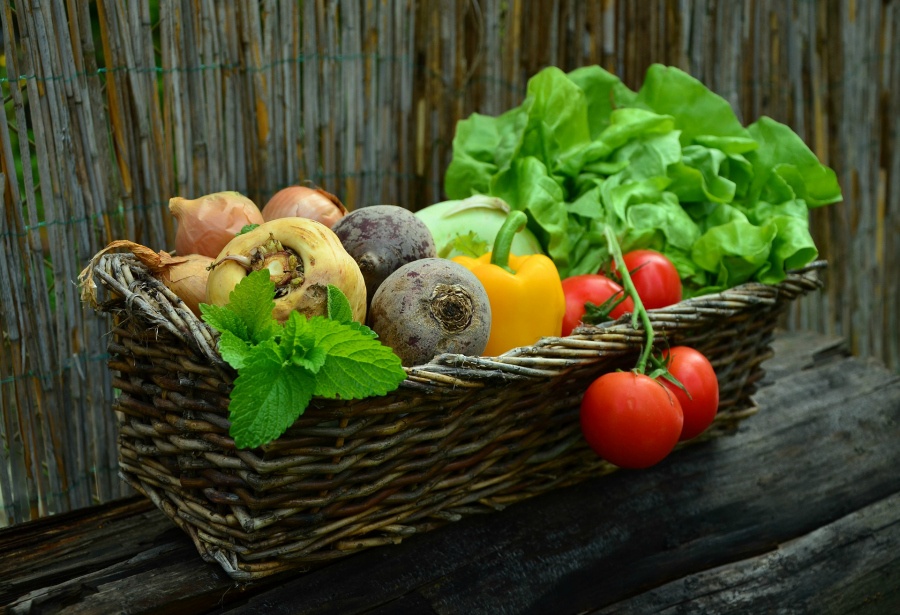
Vegetables
Broccoli
Kale
Peppers
Onions
Tomatoes
Carrots
And all other fresh vegetables.

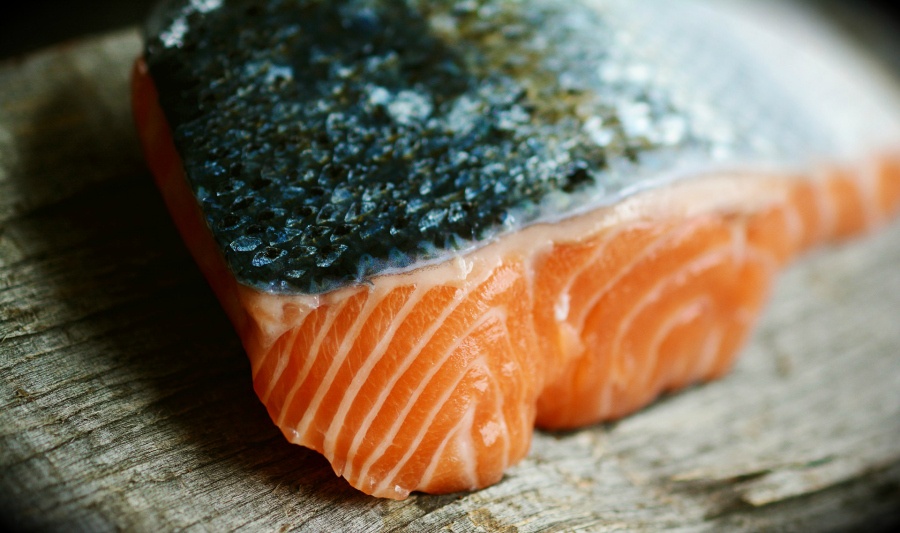
Meats
Beef
Lamb
Chicken
Pork
And any other non-processed meat.

Fruits
Apples
Bananas
Blueberries
Raspberries
Pears
Avocados
And all other fresh fruit options.

Free-Range Eggs

Spices that come from roots or the ground
Sea salt
Garlic
Turmeric
Rosemary

Healthy Fats & Oils
Avocado oil
Extra Virgin Olive oil
Coconut Oil

Other Food Options:
Pumpkin Seeds
Sunflower Seeds
Coconut
Nuts

What to eat on a paleo diet

This is just a basic list of food ideas to show you what’s acceptable to eat while following a Paleo lifestyle. Take a moment to look at your pantry, kitchen cupboards and refrigerator to see if you already have a good selection of these food options in your home. If so, changing to a Paleo lifestyle may not be a huge change for you.

If you’re wondering, “how can I be successful on the Paleo diet” or “is there a variety of food to eat on the Paleo diet? That’s pretty common. Any lifestyle change is scary! I’m not going to fib and say that the Paleo lifestyle is easy, well, at least I don’t think it would be, but like with anything, it just takes some practice. You will have to figure out which foods you enjoy most and which ones work well to keep you feeling full.

As with most diets, the Paleo diet is all about a lifestyle change. You’ll want to donate or toss out any food that doesn’t fit the criteria of this diet so that you’re not tempted to stray. The key to success with any diet or lifestyle change is to remove temptation from your home.

When it comes to enjoying a delicious meal that’s packed full of nutrients, it’s relatively easy to find a options to eat on the Paleo diet. Being able to mix and match some fruits and vegetables up into a delicious meal will help you feel healthier and motivated.

Why choose the Paleo diet?

At the end of the day, we all want to maintain a healthy mindset and body. People who choose the Paleo lifestyle tend to feel that this is the lifestyle that will help them lose weight and promote their overall health.

When you remove unnatural products and processed foods from your regular eating schedule to go Paleo, you may find that your health and overall well being improves. As with any new diet, be sure to consult with your doctor about whether the Paleo diet is right for you or not.

What You Eat on a Paleo Diet

Not sure Paleo is for you?

Keto Diet

Learn about the Keto Diet

What Can You Eat on Whole30

Discover what Whole30 Is

Be sure to check out all my healthy recipes and follow me on Facebook, Twitter, Pinterest, and Instagram for more health and wellness tips.

An Introduction To Merlot Wine

This post may contain affiliate links, please read our disclosure policy.

Want to learn more about Merlot wine? Discover the history, the taste, the smell and the geography of Merlot wine in this Introduction to Merlot.

Merlot Wine

There’s nothing quite like the perfect glass of red wine when enjoying a delicious meal or the sunset at the end of a long day. Though red wines range from the lightest red-pink Pinot to the darkest, inkiest Malbec, Merlot falls comfortably and enjoyably in between. Known for being food-friendly, versatile and simply tasty, Merlot is a great wine to get to know.

Whether or not you agree with the stinging vitriol directed at the Merlot grape in the 2004 film “Sideways,” there’s no denying the varietal’s popularity. Light on tannins and distinctly fruit-forward, the wine that the Merlot grape produces is drinkable and easy-to-pair.

In the past few decades, Merlot has exploded in popularity for its softer, more subtle flavor. In California alone, plantings of the grape have risen from 4,000 acres in 1988 to an incredible 50,000 acres in 2021. Much of this is due to the grape’s early maturity, versatility and easy adaptability.

There are two varieties of grape that are grown the most in the Bordeaux region of France – Merlot, which has been traced back to the late 18th century, and Cabernet Sauvignon. Merlot grapes are used to produce Merlot wine and are also blended with Cabernet Sauvignon. Merlot grapes are also grown extensively in California, South America, Italy and Australia.

The Merlot grape has a thin skin, which has both advantages and disadvantages. On the plus side, it means it will ripen a full week before other varieties. On the negative side, it means it is a less hardy grape and is susceptible to rot and mildew. As a matter of fact, several times entire harvests have been wiped out by either one and the French even banned any new crops from being planted.

Merlot grapes do the best in a warmer climate, but they are able to survive in cool weather as well. It is the ability of the Merlot grape to adapt to a cooler climate that has made it the most grown red variety in Washington State. Other colder areas that produce excellent Merlots are Long Island, the Shenanodah Valley and Oregon’s Rogue Valley.

The flavor of Merlot is similar to Cabernet Sauvignon, but Merlot grapes have a higher sugar content so it is softer to the pallet and a bit fruitier. When blended with Cabernet Sauvignon, the Merlot makes the wine softer, while the Cabernet Sauvignon gives the wine more body.

Merlot that comes from warmer climates like California compliments dishes with strong meats such as beef , lamb, a hearty pasta with a red sauce and a heavy chicken meal. Merlot is considered to be a medium bodied wine and can overcome the flavor of a lighter cuisine. Merlot that comes from colder climates is more acidic, more like a Pinot Noir than a Cabernet. Those wines pair best with fish and shell fish. When it comes to a Merlot wine and cheese pairings, stay away from strong cheeses such as those in the blue cheese family. Merlot also does not do well with spicy foods. They make the wine taste more on the bitter side. Merlot is also light enough to be served without food. It’s best, like with all red wines, to serve Merlot at 64 degrees F.

Another factor that will influence the taste of a Merlot is how long it has been aged. A young vintage will have a very fruity, cherry taste. A more aged product is less fruity with a hint of chocolate and licorice.

The next time you look at a good Bordeaux wine, give the label a good look. Chances are there will be a bit of Merlot blended in.

What is Merlot Wine

Merlot Wine Characteristics

Color

Merlot starts as a thin-skinned black grape. Once it is juiced, its color can range from a dark red with blue hues showing through, to a dark purple with black appearances similar to the grape’s original skin color. To show off this attractive, mysterious color, wine makers often put Merlot in tall bottles with big, curvy shoulders.

Subtlety

Merlot is lighter than its cousin, Cabernet Sauvingnon, allowing other flavors to be much easier for the taster’s tongue to detect. Merlot wines are often infused with flavors like tea, berry, black cherry, rosemary, thyme and even chocolate. The low acidity allows the flavors to hold up throughout the aging process, but the high alcohol lends the Merlot a medium body. Merlot has a smooth finish, though the flavor is less distinctive than the Sauvingnon.

Aroma

Your nose is likely to detect the fruit and herb flavors infused in the Merlot you’ve selected, while other red varieties, such as the Sauvingnon, are likely to overpower them. Sweet smells like vanilla, coconut, caramel or even oak will emanate from the wine depending on the variety. You will also find notes of blueberry, cherry, spice and smokiness.

Maturity

Merlot matures faster than other red wines because it is lower in tannins, which are the chemicals that cause wine to grow bitter with age. Therefore, it takes a shorter amount of time for Merlot to reach its ideal flavor. Wine makers can then sell Merlot at a cheaper price point, intended to be drunk within a year of bottling

Taste

Similar to its “nose,” Merlot’s taste profile often includes deep, fruity flavors, especially berry, as well as spiciness and qualities from oak-aging like smokiness or a slight vanilla flavor. Merlot is usually dry (not sweet). Merlot is generally characterized by flavors of green olive, cedar, currant, black pepper, mint, tobacco and tea leaf. Some of the more fruity varieties have hints of raspberry, blackberry, plum and cherry.

Body

Though Merlot can be light, medium, or full-bodied, it is usually a medium-bodied wine, meaning that it is not very light or very heavy.

Suggested Food Pairings

Merlot is an excellent match for pork or red meats, especially those that are roasted or grilled. It also pairs well with lightly flavored foods like pastas and salads as well as poultry and pork. And for your charcuterie board…Merlot pairs well with hard cheeses such as aged Gouda or sharp cheddar.

Region

Merlot grapes are grown heavily in Bordeaux, France and in California’s Napa Valley. While preferring a warm climate, they are quite adaptable to cold.

Use

Merlot grapes are primarily used to make lone standing Merlot wine. However, because of its softness and fruitiness, it is also found in many blended wines.

Types

There are three main types of Merlot. The first is light and fruity and is usually made entirely from Merlot grapes, though these are sometimes mixed with Pinot grapes. The second type has a stronger tannin structure with an even fruitier flavor, which usually comes from a light pairing with Cabernet Sauvignon. The final type of Merlot is full-bodied and strong, coming from a mix of Merlot and Cabernet that is strong on the Cabernet. There is also a white Merlot variety that is made when fermentation occurs after the grape juice has only a quick contact with the skin of Merlot grapes. This gives the wine a pink color.

Bonuses

Merlot ripens earlier in the season than its cousin, Cabernet Sauvignon, so it can be proposed earlier. It is softer and fruitier than the Cabernet, yet produces many of the same aromas and textures. This sometimes makes it more desirable to wine drinkers.

Detriments

This grape is very thin skinned and less hardy, which causes it to be susceptible to shatter (loss of fruit on the vine). The wine has been known to be over produced and often bottles will taste watered down. It also lacks age-ability, meaning that over time, the wine tends to get worse instead of better.

What does Merlot taste like

History of Merlot

Merlot’s roots are traceable to first-century France. It took many years for Merlot to reach its modern positioning as a venerable Bordeaux varietal (until the 1800’s, to be more precise). Over the course of years, Merlot has been developed under many names: Petit Merle, Vitraille, Crabutet Noir and Bigney. At that point, the varietal diverged from another grape, Cabernet Franc.

Interestingly, there has been a flurry of controversy in Chile involving yards of Carmenère being mislabeled as Merlot. The wine gradually began to spread throughout Europe and was widely produced up until the mid-1950s. In 1956, a major frost killed off much of the Merlot grape crop that was to be used for wine, and many of the vintage Merlot wines were lost in the 1960s to rot. This stopped Merlot production from 1970 to 1975. In the early 1990s, Merlot saw a rise in popularity as the health benefits of red wine made more people indulge in it.

Merlot wine is a red wine made from the Merlot grape, which is native to France’s Bordeaux region. The wine regions of France, California, Washington, Oregon, Chile and Australia are well-known for Merlot.

Learn about Merlot

Geography of Merlot

Merlot adapts more readily to cooler climates and drier terrain than its sister grape, Cabernet Sauvignon, but generally prefers a warmer growing environment. It’s the most commonly planted grape in France’s Bordeaux region. Other top world producers of the grape include South Africa, Australia and New Zealand, as well as South American appellations in Chile and Argentina. American producers (outside of Napa and Sonoma, of course) include Washington State, Virginia and New York State’s Long Island.

France

Because of its hardy nature, Merlot is a popular plantation, however it is often used in blends for Cabernet Sauvignon and Cabernet Franc, as well as being the main grape in St. Emilion, chateau Palmer and pomerol. Despite being widely available, Merlot is regarded as an inferior table wine in France.

California

Initially grown in California to serve as a blend for the richer Cabernet Sauvignon, Merlot began to take off in its own right in the 1980s, serving as a crossover wine for those who traditionally preferred to drink white wine. Since then, producers have caught on to the idea of planting Merlot grapes with varying degrees of success, the vines seem to produce the best results when grown on hillsides.

Italy

Producers have been growing merlot in Italy since the late 19th Century, particularly in the Trentino and Tuscan areas and on hillside areas. The climate in these regions is perfect for Merlot as it can withstand both the heat of the summer and cold winter months. Italian Merlots tend to have a small percentage of another grape too, such as corvino, usually around 95 percent Merlot and 5 percent corvino.

Chile

Chilean vineyards first became populated with Merlot in the 19th Century, however like their California counterparts, they did not become popular until almost 100 years later. A previous plantation that had been forgotten about led to an unusually peppery flavor in the Chilean variety until the grapes were separated. Chilean merlot is commonly found in supermarkets around the world.

Learn about Merlot Wine

Merlot Wine Fun Fact

Merlot is, by and large, a relatively inexpensive wine, a fact that has greatly contributed to its popularity. Of course, there’s always an exception to every rule– and Merlot is a doozy. A 1990 bottling of Merlot from the world’s most famous producer of the varietal, France’s Chateau Petrus, costs a whopping $1,700 USD for one 750 ml bottle.

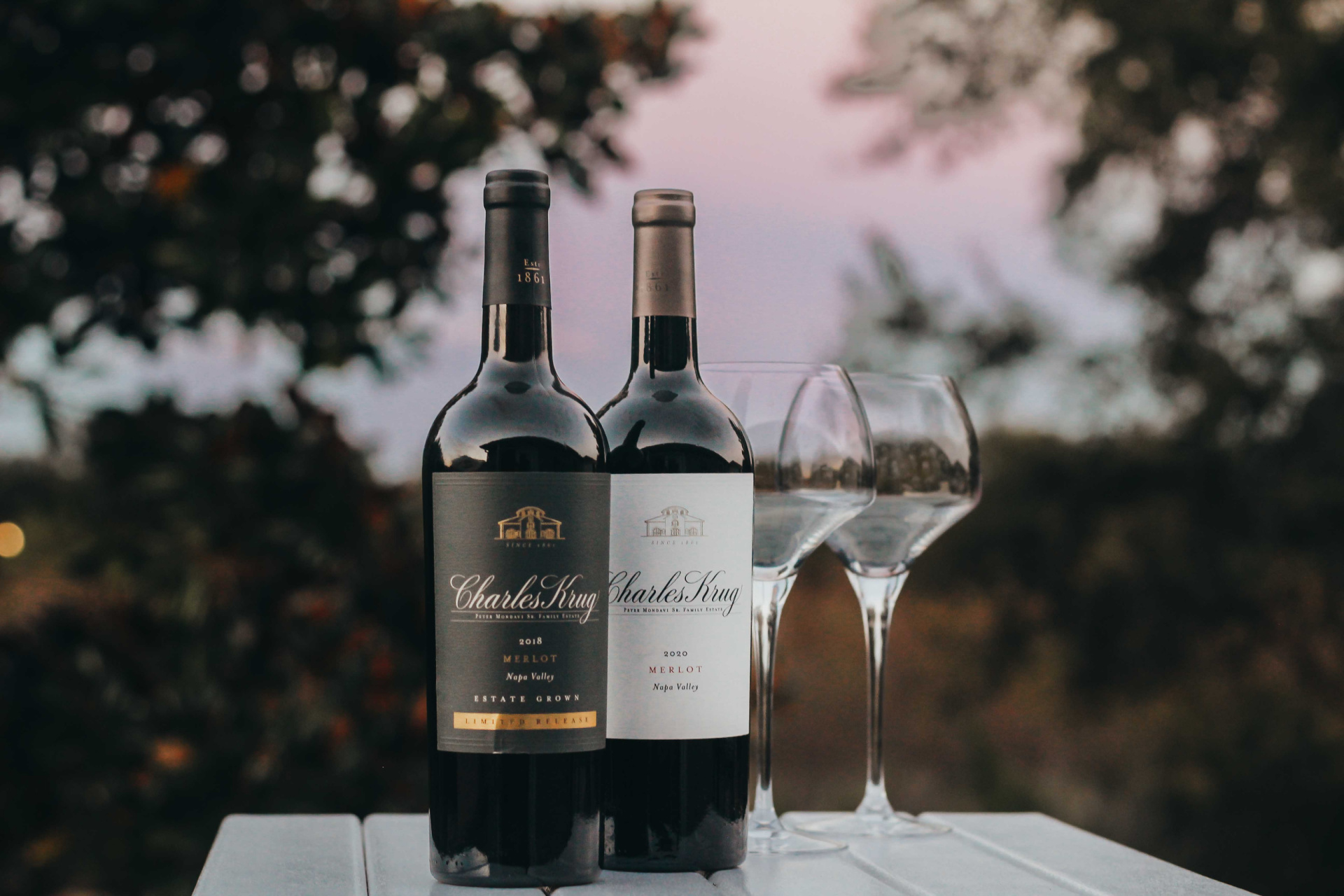
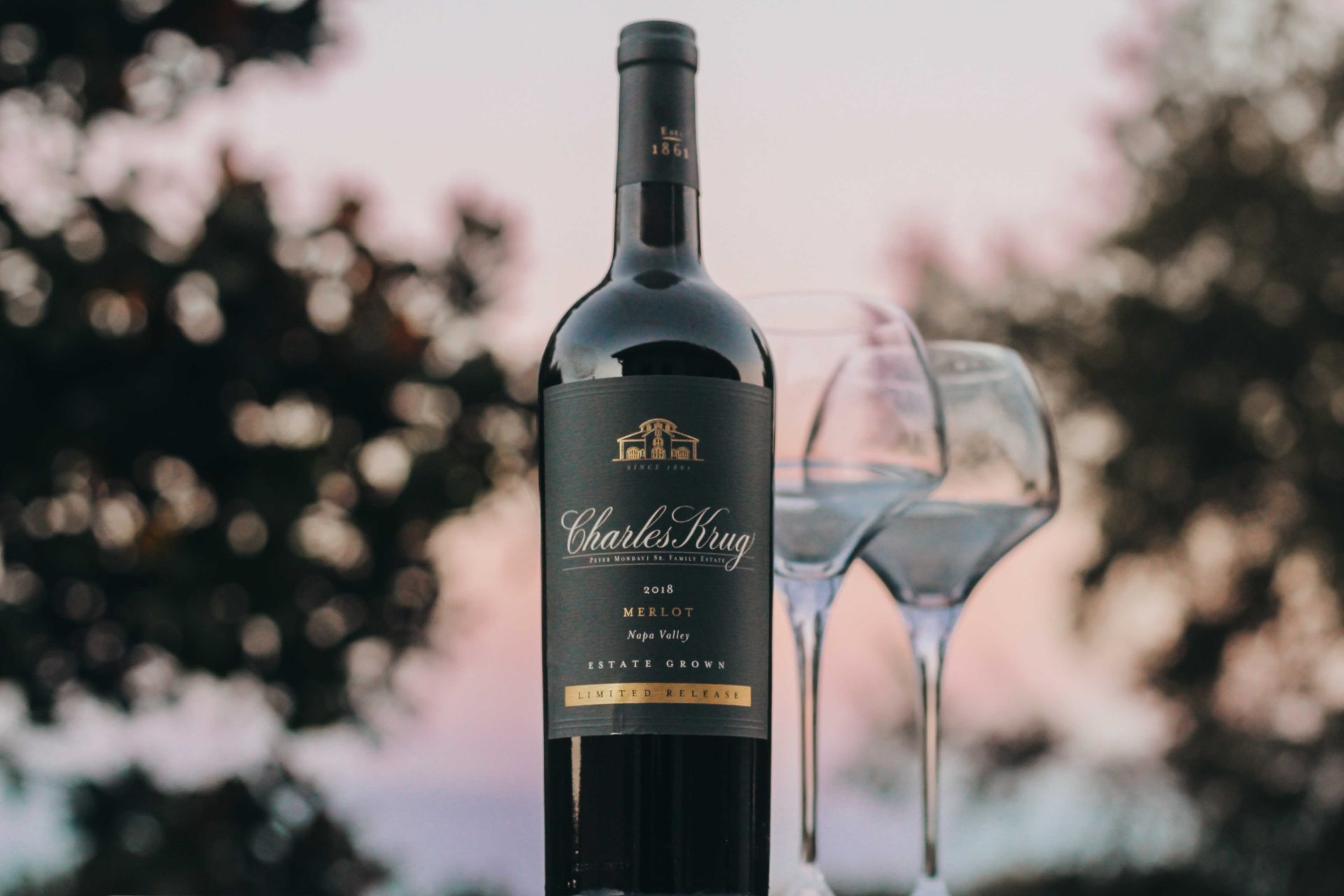
Have you hard Merlot? What is one of your favorite wineries? I personally love Charles Krug Limited Release Merlot.

Be sure to check out Food Wine Sunshine on Facebook, Twitter, Pinterest, and Instagram for more wine tips, cocktails, healthy recipes, and fun travel tips.

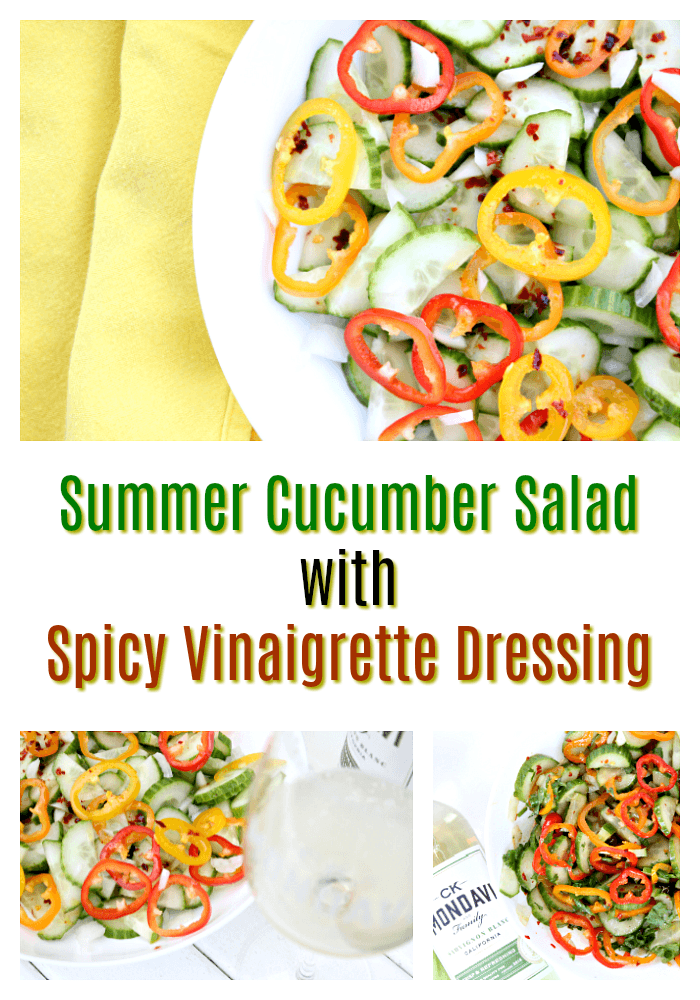
Summer Cucumber Salad with Spicy Vinaigrette Dressing

This post may contain affiliate links, please read our disclosure policy.

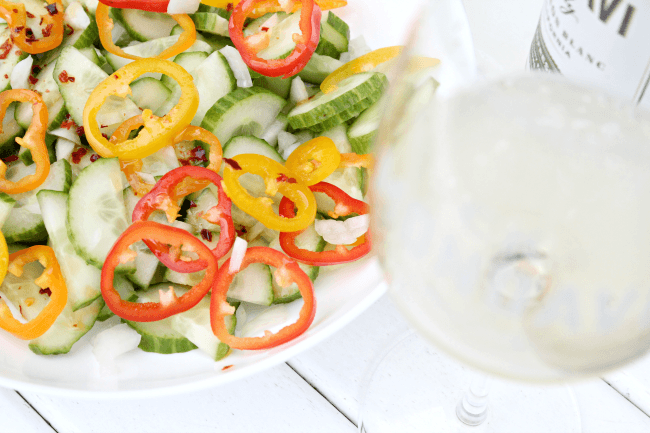
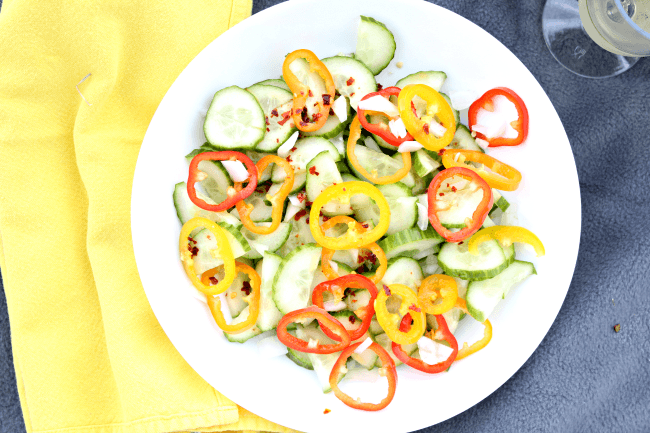
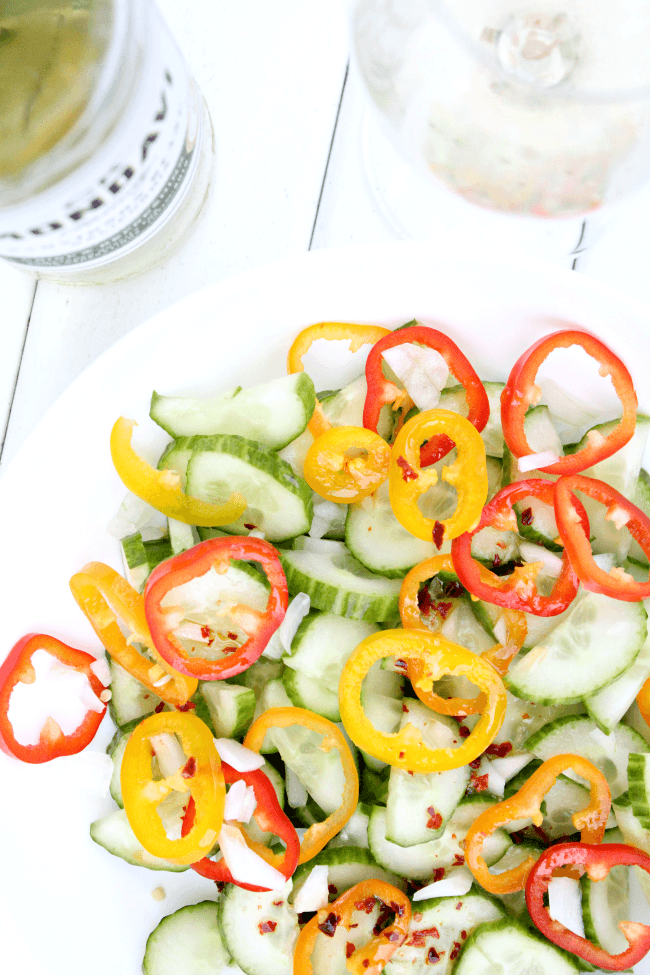
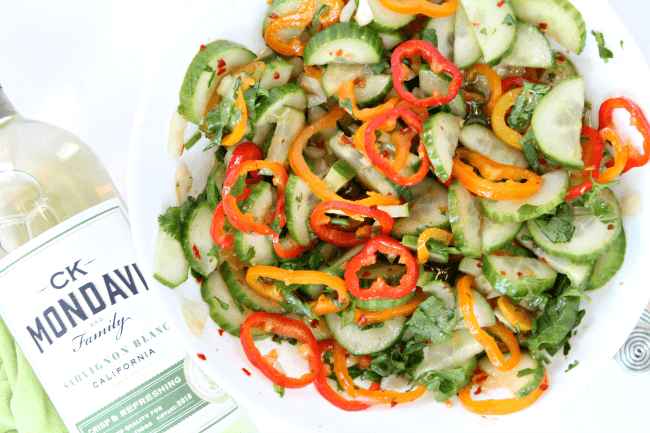
Spice up your summer menus with this Summer Cucumber Salad with Spicy Vinaigrette Dressing. Crisp, delicious and easy to make, this easy salad recipe is a must at your next gathering or picnic. I am a proud CK Mondavi and Family Ambassador, while this post is sponsored, all opinions and the recipe are my own.

Summer Cucumber Salad with Spicy Vinaigrette Dressing

Summer Cucumber Salad with Spicy Vinaigrette Dressing

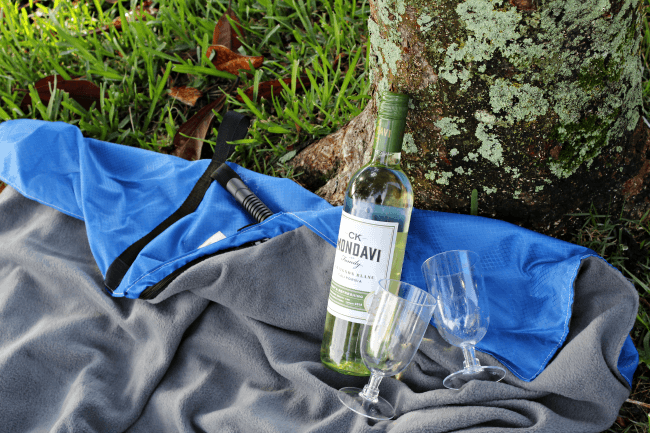
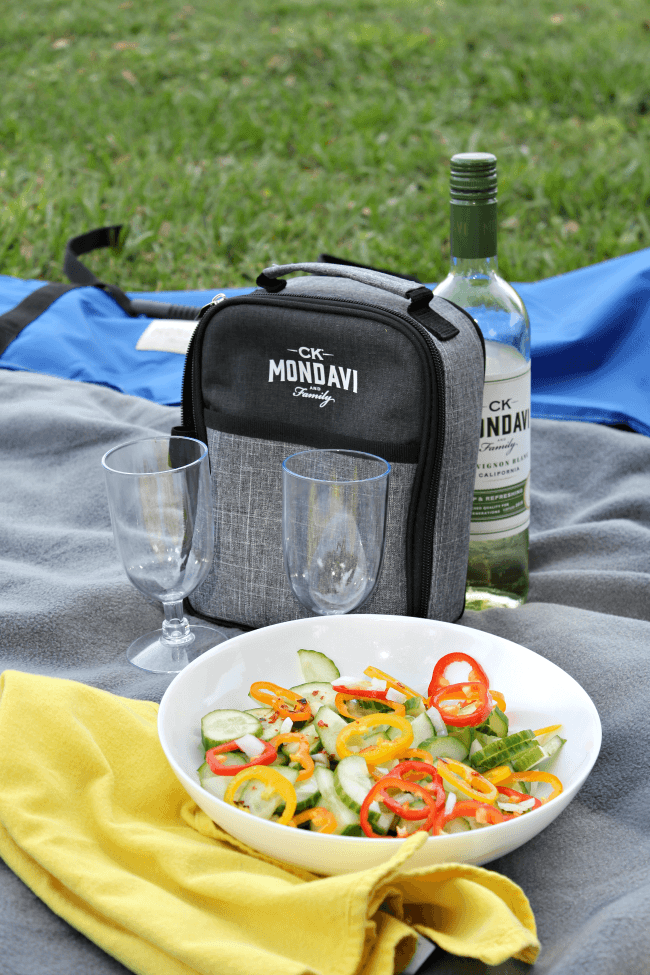
Summer is in full effect here in Florida. The temperature in my Jeep today read 105 degrees. That’s hot. That means when I’m creating in the kitchen right now, I am loving the easy dishes that can be served cold and are loaded with flavor. We love to spend time at the pool, going on bike trails, camping and hanging with friends, so packing a picnic is a pretty common occurrence for us.

Sweet Pepper Cucumber Salad

And of course I can’t just pack plain ole sandwiches and bags of chips! What fun is that?! None! My spicy chicken salad sandwiches were a hit at our last picnic, and I wanted to create a fresh salad that could along with us.

A salad with crunch, a bit of a kick (because you all know I like it a bit spicy), it had to be easily transported to wherever we were going and it needed to still taste great by the time we got there. No one likes a soggy salad.

Cucumber Pepper Salad

So I grabbed some of my favorite produce, cucumbers and sweet peppers, from the refrigerator and started slicing. Of course I made a homemade salad dressing to go with it. Because homemade salad dressings are so easy to make and taste way better than anything you can buy in the store. Have you tried my Mint & Peach Vinaigrette yet? O-M-G, what are you waiting for?! Peaches are in season right now too!

Ok, back to this cucumber and pepper deliciousness. I love this Cucumber and Sweet Pepper Salad because you can have it ready in under 10 minutes, and the more you let it marinate in the spicy dressing, the more flavorful it becomes. Leftovers are AH-MAZING.

Spicy Cucumber Salad

For this Spicy Cucumber Salad you only need a few staple ingredients, and you may have all of them in your pantry and refrigerator right now. If you are growing cilantro at home, grab some from the garden and let’s make this crisp and healthy salad!

Best Cucumber Salad Recipe

Here is what you need to make my Spicy Cucumber Sweet Pepper Salad:
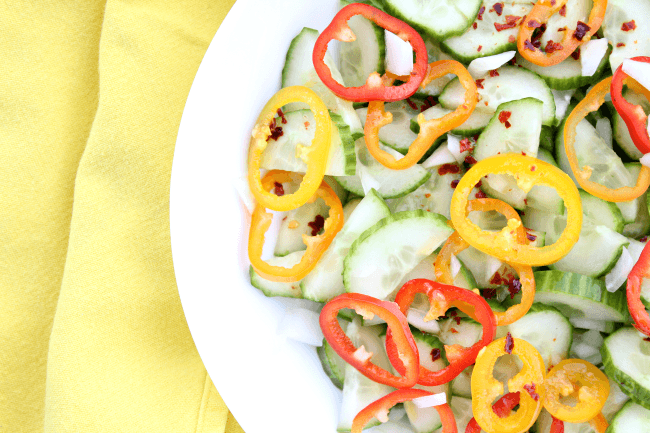
2 english cucumbers, halve lengthwise and sliced
1 cup sliced. mini sweet peppers – about 5 peppers
1/4 cup sweet onion, chopped
1/3 cup cilantro

For the spicy salad dressing you need:
1/4 cup olive oil
1/4 cup red wine vinegar
1 tablespoon fresh lime juice, approx 1/2 large lime
1 teaspoon finely grated ginger
1 teaspoon sugar
1 teaspoon red pepper flakes
1 tablespoon CK Mondavi and Family Sauvignon Blanc

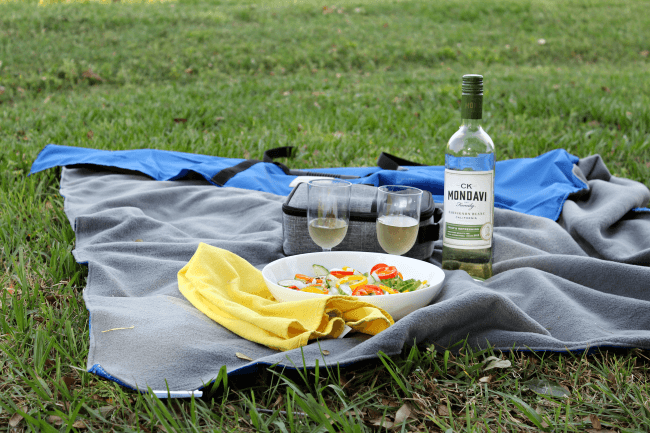
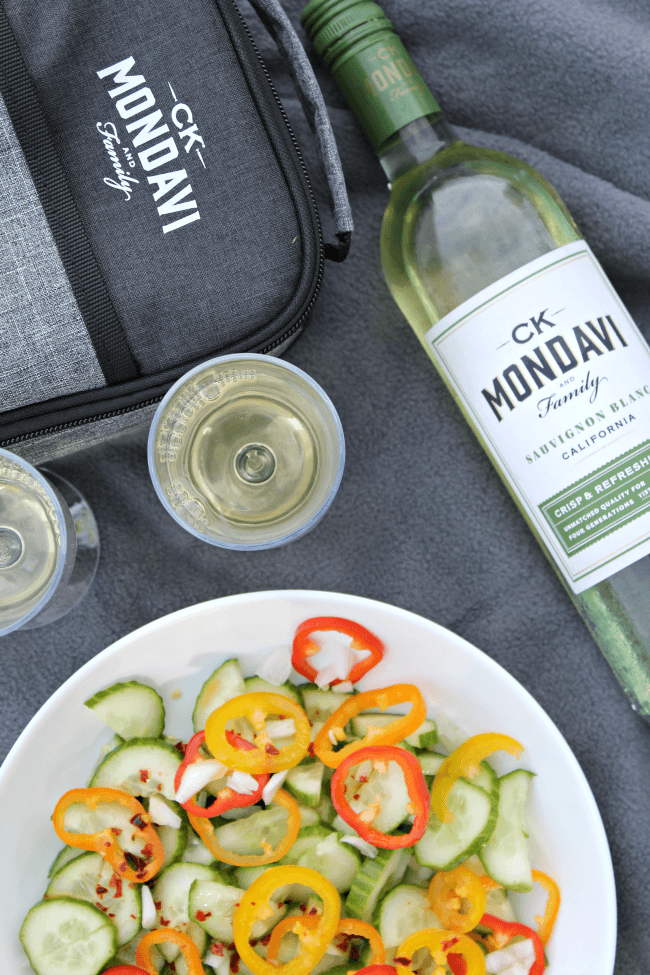
Easy enough right? I recommend chilling that bottle of CK Mondavi and Family wine and bringing it with you on your picnic because it pairs perfectly with the bite of this fresh cucumber salad. CK Mondavi and Family Sauvignon Blanc has beautiful clarity and offers subtle aromas of lemon, kiwi and herbaceous notes. This medium-bodied wine is filled with grapefruit and citrus flavors and ends with a crisp, refreshing finish which makes it a delightful pair to my summer salad, and the herbaceous notes pair well the fresh cilantro and the heat of the red pepper flakes. You can learn more about wine pairings here. I love a glass of Sauvignon Blanc when it’s warm outside, which it is here in Florida about 80% of the year 😉 Sauvignon Blanc is dry, crisp and refreshing, serve it chilled and serve it often.

Healthy Pepper and Cucumber Salad

Now, here is my Summer Cucumber Salad with Spicy Vinaigrette Dressing Recipe, be sure to Print It and Pin It so that you can make it again and again.

Summer Cucumber Salad
Print Recipe
5 from 3 votes

Summer Cucumber Salad with Spicy Vinaigrette Dressing

This healthy salad is easy to make and full of flavor. Make this Spicy Sweet Pepper and Cucumber Salad for your next gathering or pack it up for your next picnic.
Prep Time10 minutes
Cook Time15 minutes
Total Time25 minutes
Course: Salad
Keyword: cucumber, easy recipe, healthy, picnic, salad
Calories: 705kcal
Author: Tracy

Ingredients

Salad Ingredients

  • 2 English cucumbers
  • 1 cup sliced mini sweet peppers - about 5 peppers
  • 1/4 cup sweet onion chopped
  • 1/3 cup cilantro chopped

Salad dressing Ingredients

  • 1/4 cup olive oil
  • 1/4 cup red wine vinegar
  • 1 tablespoon fresh lime juice approx 1/2 large lime
  • 1 teaspoon finely grated ginger
  • 1 teaspoon sugar
  • 1 teaspoon red pepper flakes
  • 1 tablespoon CK Mondavi and Family Sauvignon Blanc
  • Pinch of salt

Instructions

  • Prepare your cucumbers, sweet peppers, onion and cilantro
  • Place them in a large bowl
  • Combine all the salad dressing ingredients in a small bowl and mix well
  • Pour desired amount of dressing on salad
  • Stir gently to combine
  • Chill for at least 15 minutes to let all those flavors marinate
  • Serve with remaining CK Mondavi and Family Sauvignon Blanc
  • Enjoy!

Notes

The noted "cook time" is actually the "chill time"

Nutrition

Calories: 705kcal | Carbohydrates: 46g | Protein: 7g | Fat: 56g | Saturated Fat: 8g | Sodium: 67mg | Potassium: 1468mg | Fiber: 9g | Sugar: 27g | Vitamin A: 8990IU | Vitamin C: 327mg | Calcium: 113mg | Iron: 4mg

I hope you enjoy this Summer Cucumber Salad with Spicy Vinaigrette Dressing as much as we do!

Easy Cucumber Salad with homemade dressing

This crisp and fresh salad is the perfect addition for your next gathering or picnic.

Tasty Cucumber Salad with sweet peppers

Looking for another delicious fresh salad recipe?

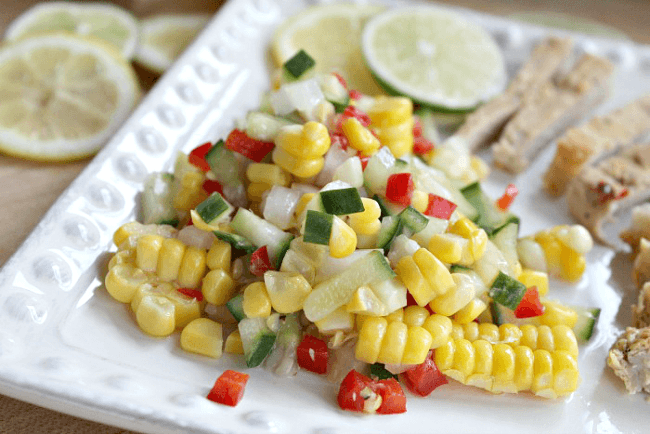
Fresh Corn Salad

Fresh Corn Salad with Cucumbers and Red Peppers

Actually, this fresh corn salad would be delicious with the spicy vinaigrette dressing I made for my cucumber salad!  Oh, I’ll definitely have to try that next.

Summer Cucumber Salad

What is one of your favorite salads to bring to a picnic?

Cucumber Salad with Spicy Vinaigrette Dressing

Learn more about CK Mondavi and Family by checking them out online, and following on Facebook, Twitter, Pinterest, Instagram, and YouTube.

In fact, be sure to check out all my delicious recipes and follow along on Facebook, Twitter, Pinterest, and Instagram.

 

2021 Florida 529 Savings Plan Promo

This post may contain affiliate links, please read our disclosure policy.

Are you looking to save on opening a Florida 529 Savings Plan? Check out this Florida 529 Savings Plan Promo and save up to $50! This post is sponsored by Florida Prepaid College Plans, through my role as a Believer Blogger. All thoughts are my own.

2019 Florida 529 Savings Plan Promo

2020 Florida 529 Savings Plan Promo

My kids are so ready for summer. I am too. A few months ago I made us reservations at the Fort Wilderness Campground over in Disney for Mother’s Day weekend, and I had every intention of letting the kids skip school on Monday. They have been doing so much testing I thought it would be a well-deserved break…for all of us.

Florida 529 Savings Plan Info

Then my son told me he had his Math final exam. It’s a two day exam, and of course he can’t miss it. So I woke up with him before 6 a.m. and we made the drive back home so he could make it to his exam. The day that was supposed to be a relaxation day for all of us was instead an earlier than normal day, a studying in the car before 6:30 a.m. day. We made it to school 5 minutes before the late bell, but we made it!  We are SO ready for school to be done, the kids keep saying that they need a brain break 😉

BUT, before summer consumes your thoughts and dreams too, I wanted to let you know about a limited time Florida 529 Savings Plan Promo. Get started on saving for the future now and get up to $50 free…then let your mind drift away to warm summer thoughts!

Florida 529 Savings Plan Promo

I know I was just talking to you all about Florida Prepaid College Plans, so let me tell you some of differences between a Florida Prepaid College Plan and a Florida 529 Savings Plan.

Both college savings plans are available from Florida Prepaid College Plans, but the Florida 529 Savings Plan is known for more flexibility. Florida 529 Savings Plan can be opened at any time of the year, at any student age, and can be used on any qualified educational expenses. There is also no minimum contribution to get started and you can contribute as much and as often as you like. Florida 529 Savings Plan are not guaranteed by the state of Florida, there is a degree of risk varies based on the investment options selected (investments can, of course fluctuate based on the market), but it’s a wonderful option for families as it allows you to save at your own pace for college, and choose your investment options. Again, a Florida 529 Savings Plan offers you flexibility.

Learn more about the difference between a Florida 529 Savings Plan and a Florida Prepaid College Plan.

You may also want to know that you can have a Florida Prepaid College Plan AND a Florida 529 Savings Plan. They actually work great together. For example, a Prepaid Plan will cover tuition and other specified fees. Pair it with a Savings Plan to pay for books, a computer, room and board, and other Qualified Higher Education Expenses.

I actually opened a 529 Savings Plan for my niece for Christmas last year. By opening a 529 Savings Plan, I can donate to it whenever I can, my brother and sister-in-law can contribute whenever they can, and they can also have other friends and family contribute. My brother is already impressed with how well the investment is performing.

Now that you know a bit more about Florida 529 Savings Plan, let me tell you about the Florida 529 Savings Plan Promo.

Here are the Florida 529 Savings Plan Promo details:

  • If you open a Florida 529 Savings Plan from now through August 16, Florida Prepaid waive your application fee, that’s a $50 savings!
  • If you set up an automatic monthly contribution of $25 or more, they will add $50 into your account.

Use Florida 529 Savings Plan Promo Code SAVING20 to get all these savings.

See how easy that is? But you have to HURRY. This Florida 529 Savings Plan Promotion is only good until October 13th! Don’t miss out on getting up to $50 FREE!  Don’t forget to use the promo code SAVING20.

Jump-start your savings with up to $50 for FREE.

Florida 529 Savings Plan Promotion

Learn more about Florida Prepaid College Plans online and feel free to follow Florida Prepaid College Plans on Facebook, Twitter, and YouTube to stay up to date with information on open enrollment but get tips on college and more.

Be sure to follow Food Wine Sunshine on Facebook, Twitter, Pinterest, Google + and Instagram for more helpful tips, things to do in Florida, and family fun.

*Funds earned will be deposited directly into your Florida 529 Savings Plan account. The Florida 529 Savings Plan is an investment plan that may be used to set aside funds for future higher education and certain K-12 education expenses. Funds may be used tax-free to pay for any qualified higher education expense nationwide.

*Savings Plans are not guaranteed, so the value of your investment is subject to market fluctuations. For specific information about your tax situation, please consult an investment adviser or certified public accountant.

Anastasia The Broadway Musical Review

This post may contain affiliate links, please read our disclosure policy.

Anastasia The Broadway Musical is a beautifully crafted tale of a young girl who has lost everything and with the helps of friends, works to find something from her past. While my daughter and I were able to see Anastasia The Broadway Musical at the Straz Center in Tampa for free, all opinions are 100% our own.

Anastasia The Broadway Musical Review

Anastasia The Broadway Musical Review

My daughter is 11 and absolutely loves to be my date when she can. I love that she wants to spend time with me still, and I love that she has taken an interest in LIVE performances. You know, the performances that you can’t just hit PAUSE on, or the ones that require you to look away from your phone, in fact, they require that you shut your phone OFF. What a novel idea?! Broadway shows have the magical ability to make you feel like you are part of the show, in the story, and Anastasia did just that.

Anastasia on Broadway Review

From the moment that Anastasia started at the Straz Center here in Tampa, we felt like we were part of the royal family. That being said, Anastasia is indeed a family-friendly performance, with one or two “make-out” scenes that will have the audience laughing and had my daughter blushing just a tad. The sets and costumes are absolutely stunning! You may be familiar with some of the music, which is great because it’s amazing, but if you aren’t (like Sadie and I) will you fall in love with each number.

Straz Anastasia Performances

We loved watching Anastasia grow up in the 1920s and find out who she is, all while traveling from the Russian Empire to Paris, with the help of two unlikely cons, who eventually become her close friends.  I LOVED seeing the Paris sets, I actually just got back a couple months ago and I felt like I was walking along the Seine River, gazing at the Eiffel Tower and seeing the Arc de Triomphe all over again!

No spoilers here my friends, there may be many of you that know this story, but I would also venture to guess that Sadie and I aren’t the only two out there that didn’t know much at all.

Straz Anastasia Performances Info

The musical is inspired by 20th Century Fox’s 1997 animated film and the 1956 movie starring Ingrid Bergman and Yul Brynner.  ANASTASIA features a book by celebrated playwright Terrence McNally, a lush new score by Stephen Flaherty (music) and Lynn Ahrens (lyrics) with direction by Tony Award® winner Darko Tresnjak.

And if you want to fall in love with Anastasia and her journey just like we did, you will want to make sure you get your tickets to the Straz Center quickly. It was completely packed last night when we went, and the show ended with a standing ovation from the audience.

You can see Anastasia at the Straz Center for Performing Arts here in Tampa from May 07, 2019 – May 12, 2019.

Straz Center Tampa Address:

  • 1010 N. W.C. MacInnes Place Tampa, FL 33602

Get your Straz Center Tickets

Anastasia Broadway Review

And to my beautiful daughter, these are the lessons that I hope you learned from Anastasia The Broadway Musical:

May you always be strong

May you believe in yourself when you feel like you have nothing else

May you always look ahead to the future

May you learn from your past

May you never forget your past

May you have friends that will always be by your side and make you smile

May you always follow your heart

May you know that your family is always with you

What is one of your favorite performances that you have seen at the Straz Center?

Stay up to date with all the happenings at the Straz by following on Facebook, Twitter, and Instagram.

Be sure to check out Food Wine Sunshine on Facebook, Twitter, Pinterest, Google + and Instagram for more things to do in Florida, healthy recipes, and more.

Fresh Corn Salad with Cucumbers and Red Peppers

This post may contain affiliate links, please read our disclosure policy.

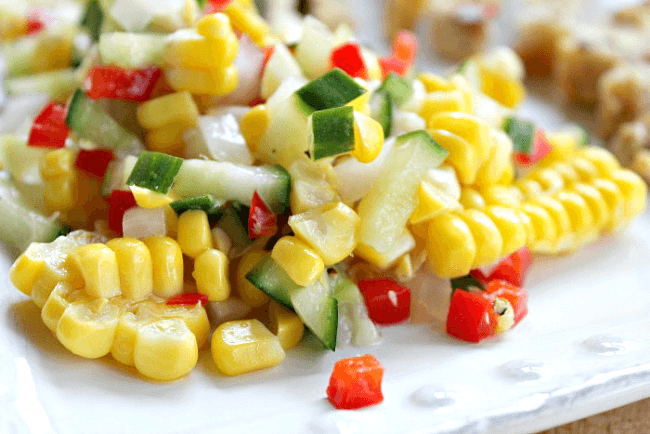
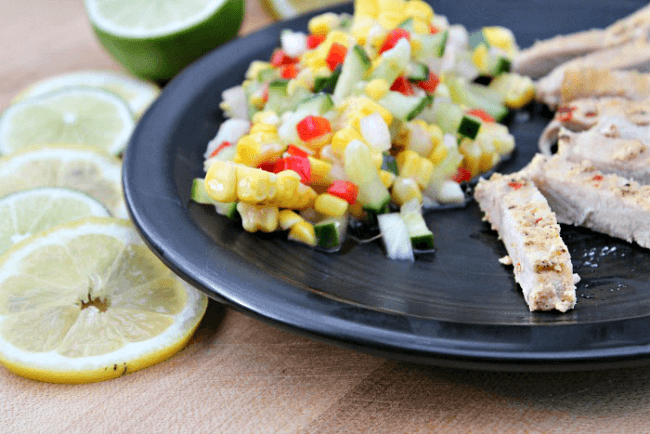
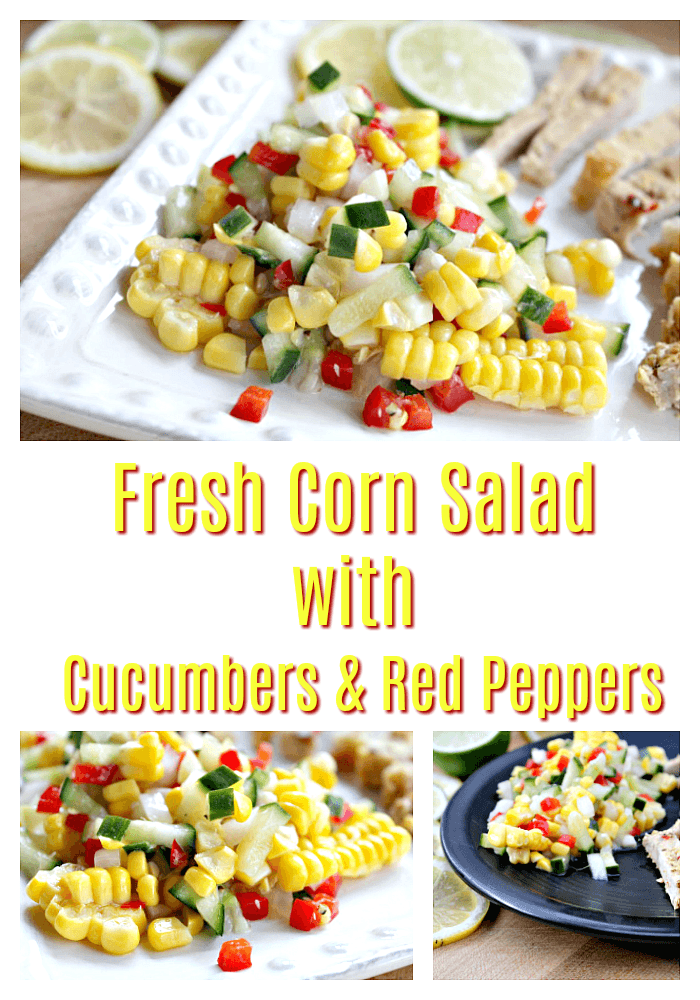
Enjoy this Fresh Corn Salad with Cucumbers and Red Peppers at your next gathering or as the perfect side dish to anything you BBQ. This corn salad is easy to make and absolutely delish!

Corn Salad with cucumber and red pepper

Fresh Corn Salad with Cucumbers and Red Peppers

I love fresh corn! Corn on the cob is crunchy, juicy and has such a sweet flavor. Corn is the ultimate side dish for just about anything you BBQ. Eating fresh corn is like biting into tiny little bubbles of deliciousness! So, why limit that deliciousness to just eating corn on the cob?! My daughter and I went to visit a friend of mine for the weekend and she made this Fresh Corn Salad. My daughter immediately asked for the recipe, and when one of your kids is asking for a recipe that is 100% vegetables, you get pretty excited. So, my little lady wrote down the recipe and we have since made it at home on several occasions. The whole family loves this fresh corn salad recipe, and I love that it’s not only easy to make, but that it makes a lot, so we can enjoy leftovers all weekend long. In fact,since this fresh corn salad recipe with cucumber and red pepper does make a lot, it makes for the perfect side to bring to parties or picnics.

Best Fresh Corn Salad

I did use a store bought Vinaigrette Dressing in this recipe, but when I make this salad next weekend I am actually going to pair it with my homemade Peach Vinaigrette Dressing, I think it will be perfect!

For this Corn Salad recipe, you only need 5 ingredients and about 15 – 20 minutes. What takes the most amount of time is cooking the corn and dicing the veggies. If you have a chopper or dicer, that is a huge time-saver. I have the Alligator Chopper and I love it, everything comes out the perfect size.

What you need to make this Fresh Corn Salad:

  1. 6 ears of corn
  2. 1 english cucumber
  3. 1 red bell pepper
  4. 1 small sweet onion
  5. 1/4 cup Blush Wine Vinaigrette Dressing – I used Brianna’s,and next time I am going to make my own!

And to make it, you simply put all prepared ingredients into a large bowl and gently stir.

I told you it was easy 😉

Here is my Fresh Corn Salad with Red Peppers and Cucumbers Recipe, be sure to Print It and Pin It so that you can make it again and again.

Fresh Corn Salad with Cucumbers and Red Peppers

This Fresh Corn Salad with Cucumbers and Red Peppers is crispy, delicious and easy to make! Make this fresh corn salad for your next gathering.
Prep Time15 minutes
Total Time15 minutes
Course: Side Dish/Salad
Keyword: corn, easy recipe, salad
Author: Tracy

Ingredients

  • 6 ears of corn shucked cooked and cut off the cob
  • 1 english cucumber diced to approx size of corn pieces
  • 1 red bell pepper diced to approx size of corn pieces
  • 1 small sweet onion diced to approx size of corn pieces
  • 1/4 cup Blush Wine Vinaigrette Dressing - I used Brianna's

Instructions

  • Place all prepared ingredients into a large bowl and gently stir
  • Refrigerate until ready for use
  • Enjoy!

I hope you enjoy this Fresh Corn Salad with Cucumbers and Red Peppers as much as we do!

Easy Fresh Corn Salad

This fresh salad recipe actually makes quite a bit, so it’s perfect to feed a crowd, or the leftovers are perfect for a few days! It is by far one of my family’s favorite salad recipes.

Fresh Corn Salad with Cucumbers and Red Peppers

Looking for another delicious salad recipe?

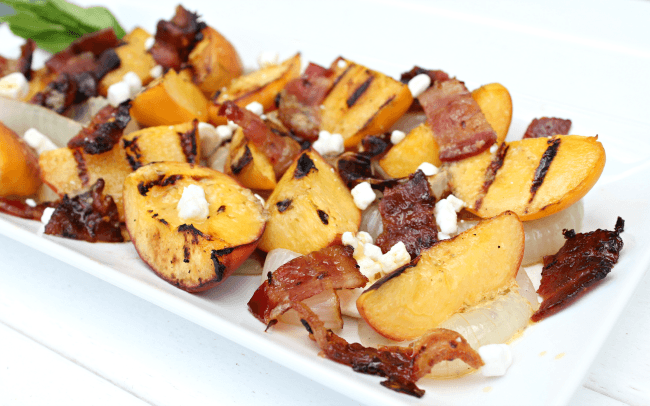
Grilled Peach Salad

You have got to try my Grilled Peach Salad with Bacon, Sweet Onions and Goat Cheese.

Be sure to check out all the recipes on Food Wine Sunshine and follow me on Facebook, Twitter, Pinterest, and Instagram.

Spicy Mustard Chicken Salad with Grapes

This post may contain affiliate links, please read our disclosure policy.


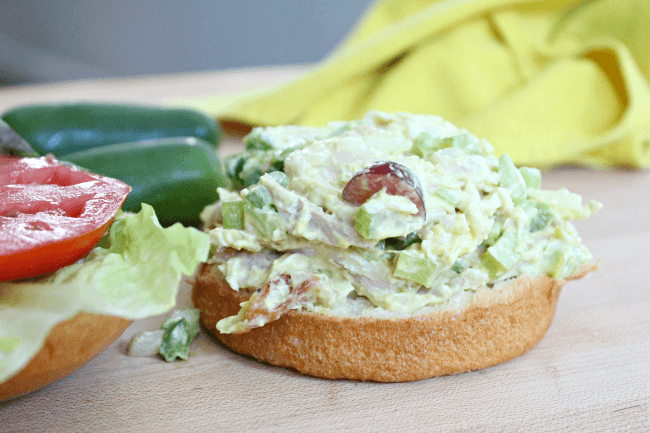
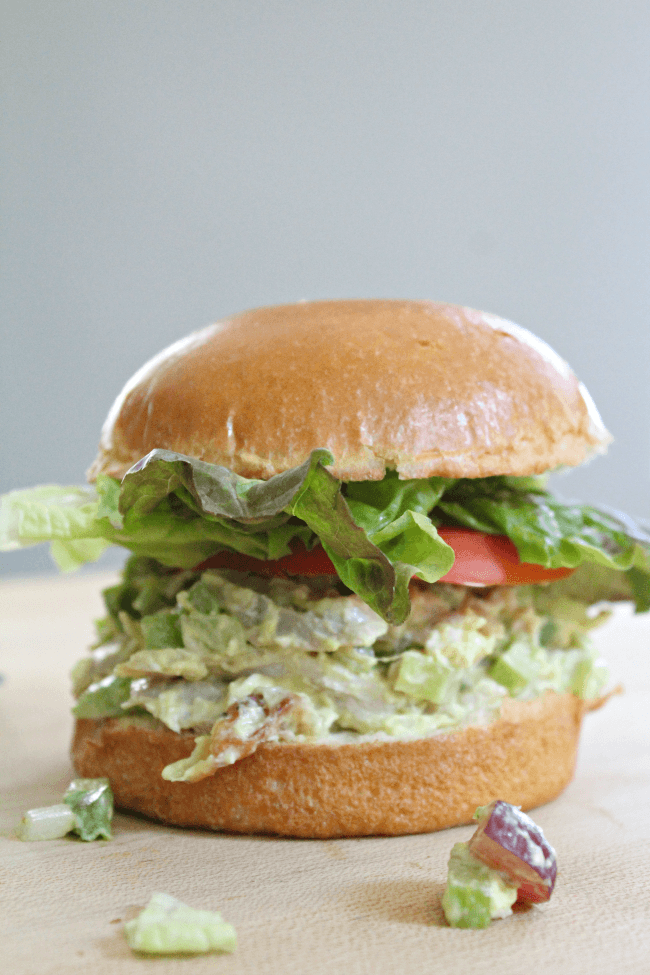
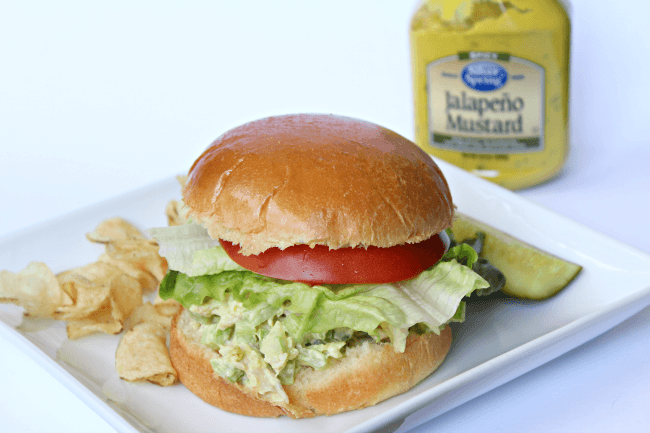
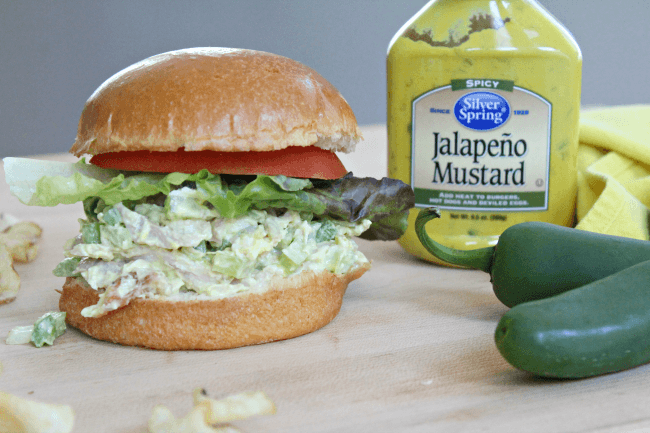
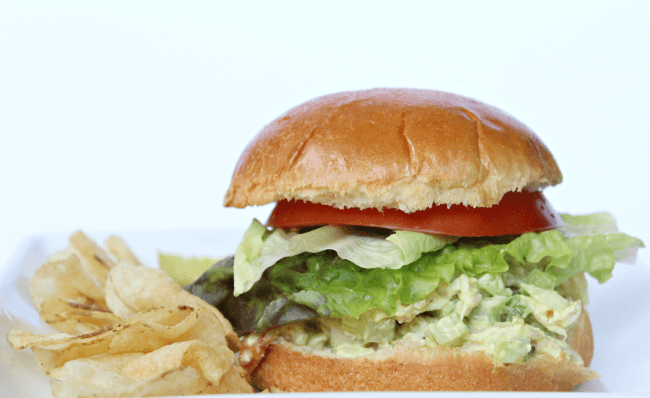
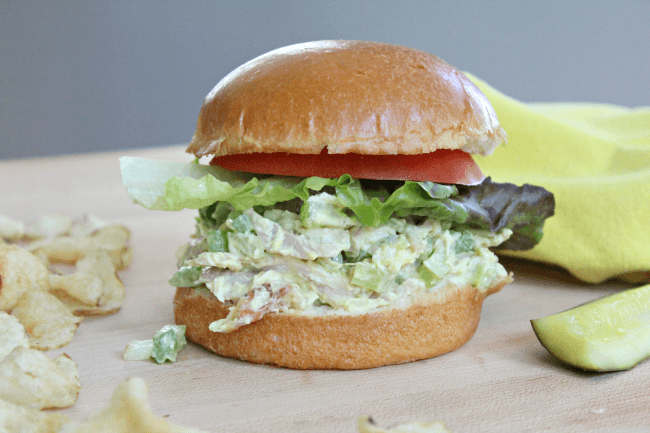
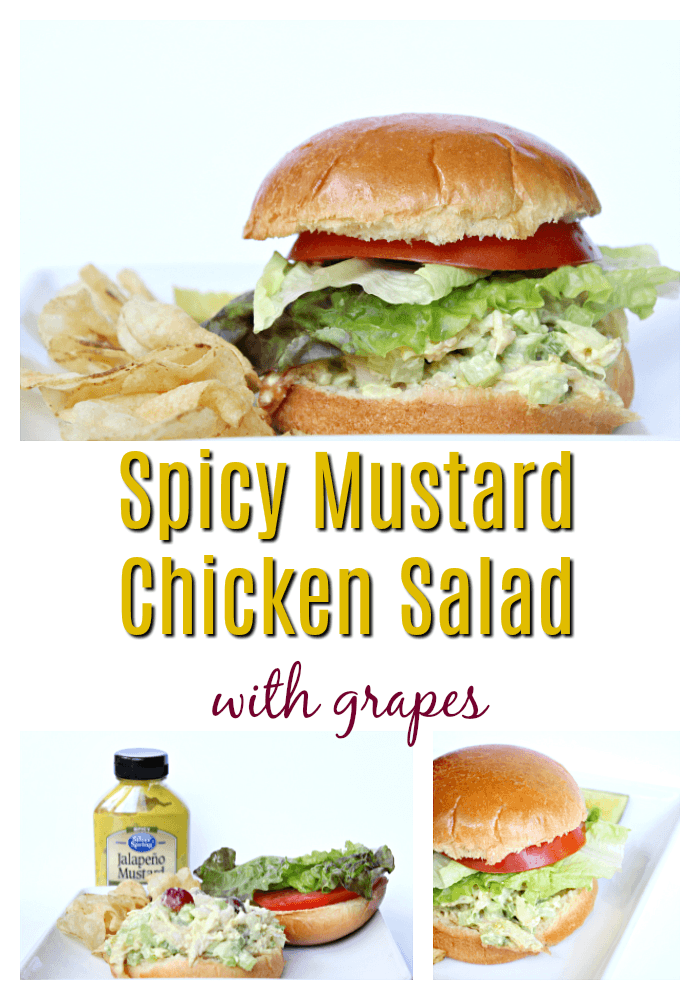
This Spicy Mustard Chicken Salad with Grapes is healthy, delicious, loaded with flavors and easy to make. While this post is sponsored by Silver Spring Foods, all opinions and the scrumptious recipe are my own.


Healthy Mustard Chicken Salad with grapes

Spicy Mustard Chicken Salad with Grapes

There is nothing quite like an easy meal or having a meal prepped and ready to go on a nice Summer day. The quicker the meal, the quicker you can go back to enjoying time outside. And isn’t that what summer is all about? Enjoying time with friends, family, or just by yourself enjoying the outdoors and sunshine.

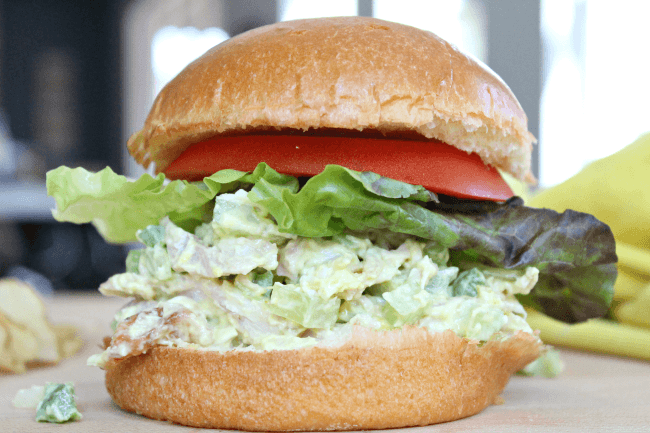
Best Chicken Salad sandwich

So, today I have a simply delicious recipe to share with you all so that you can get back to enjoying the weather 🙂 One of my favorite things about this Spicy Mustard Chicken Salad is that it can be enjoyed in a variety of ways, serve it up on a nice brioche bun, on top of a beautiful bed of baby greens, with crackers, or just grab a fork and dig in! Since this Spicy Mustard Chicken Salad with grapes can be prepped ahead of time, it also makes for a delicious dish to pack and bring along on a picnic or to the beach.

Tasty Mustard Chicken Salad with grapes

If you read the blog on a regular basis, it’s no surprise to you that I made a spicy dish. My family and I love a bit of heat in just about every recipe, not overpowering though, just enough to give the recipe a little ZING. A little kick. I added grapes to my Spicy Mustard Chicken Salad recipe too, they are the perfect balance to the jalapenos, making this chicken salad a bit spicy, a bit sweet, full of crunchy  textures, and jam packed with flavor. Did I mention it’s healthy too? That’s a huge WIN in my book!

Tasty Mustard Chicken Salad

Here’s what you are going to need to make this Spicy Mustard Chicken Salad, you may have all the ingredients at home right now.

  • 1 store-bought rotisserie chicken, meat pulled off and shredded
  • 4 celery sticks – approx 1 cup, diced
  • 1/2 cup sweet onion, diced
  • 1 jalapeno – seeds removed, diced
  • 1/2 cup red grapes – quartered
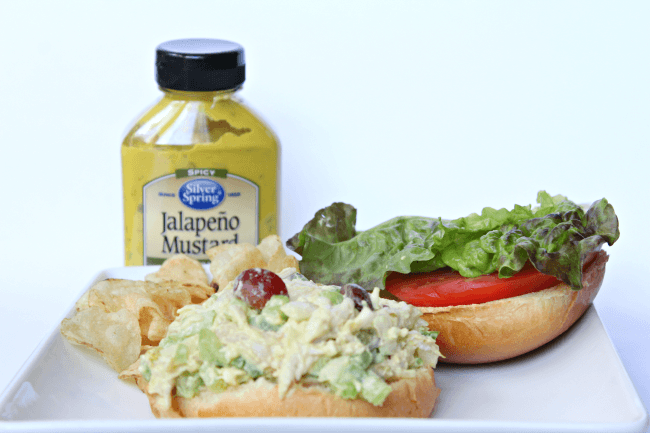
  • 2 tablespoon Silver Spring Foods Jalapeno Mustard
  • 1/2 cup mayo – I used light

I used a rotisserie chicken because it was easy, but you could definitely grill, bake or crock pot a pound or so of chicken and use that if you prefer.

Spicy Chicken Salad

I used Silver Spring Foods Jalapeno Mustard because it was the perfect way to add that heat and zing to this chicken salad without a lot of effort on my part, they did the work of making a delicious mustard so we don’t have to…we get to just enjoy it!  You may be familiar with Silver Spring Foods due to my Tangy Cranberry Wings recipe,  but I wanted to point out that they are Family-owned, the world’s largest grower and processor of horseradish and they also have specialty mustards and sauces.  Making Silver Spring Foods an obvious choice for this recipe and more.

Best Mustard Chicken Salad

Now, are you ready for your new favorite chicken salad recipe? Good, because I am about to go make myself a sandwich that’s loaded with this Spicy Mustard Chicken Salad with grapes 😉

Spicy Mustard Chicken Salad

Here is my Spicy Mustard Chicken Salad with grapes recipe, be sure to Print It and Pin It because you are going to want to make it again…and your friends are going to ask for the recipe.

Spicy Mustard Chicken Salad with Grapes

This Spicy Mustard Chicken Salad with grapes is not only healthy, but it's loaded with flavor and texture!
Prep Time15 minutes
Total Time15 minutes
Course: Lunch/Dinner
Keyword: chicken, easy recipe, sandwich
Servings: 6
Author: Tracy

Ingredients

  • 1 rotisserie chicken - meat removed and shredded or cut into bite size pieces
  • 1 jalapeno - seeds removed diced
  • 1/2 cup red grapes - quartered
  • 4 celery sticks - approx 1 cup diced
  • 1/2 cup sweet onion diced
  • 2 tablespoon Silver Spring Foods Jalapeno Mustard
  • 1/2 cup mayo - I used light

Instructions

  • Add chicken, vegetables and grapes to a large bowl.
  • Add Silver Spring Foods Jalapeno Mustard and mayo.
  • Stir to combine.
  • Season with salt and pepper if desired.
  • Store in the refrigerator until ready to serve.
  • Serve on a bed of baby greens, a bun, with crackers or just dig in with a fork!
  • Enjoy!

Notes

I used a rotisserie chicken for the ease of it, you can bake, grill or crock pot a pound or so of chicken if you prefer.
The recipe as is made 6 large sandwiches for us.

Best Chicken Salad with grapes

I hope you enjoy this Spicy Mustard Chicken Salad with Grapes as much as we do!

Best Mustard Chicken Salad with grapes

You see how easy it was to add a fun twist to a traditional chicken salad recipe? Give your spring and summer recipes a twist by adding Silver Spring Jalapeno Mustard – it’s a quick and easy way to spice up your favorite meals all season long.

Spicy Mustard Chicken Salad with Grapes

Looking to add a bit of zing to your cooking? Be sure to follow Silver Spring Foods on Facebook, Twitter, Pinterest and Instagram.

While you are at it, check out all the recipes on Food Wine Sunshine and follow me on Facebook, Twitter, Pinterest, and Instagram.

An Introduction To Sake

This post may contain affiliate links, please read our disclosure policy.

What is sake?  Learn sake basics, purchase a few varieties, and then educate your palate with a sake tasting event your friends will never forget.

Introduction to Sake

What is Sake?

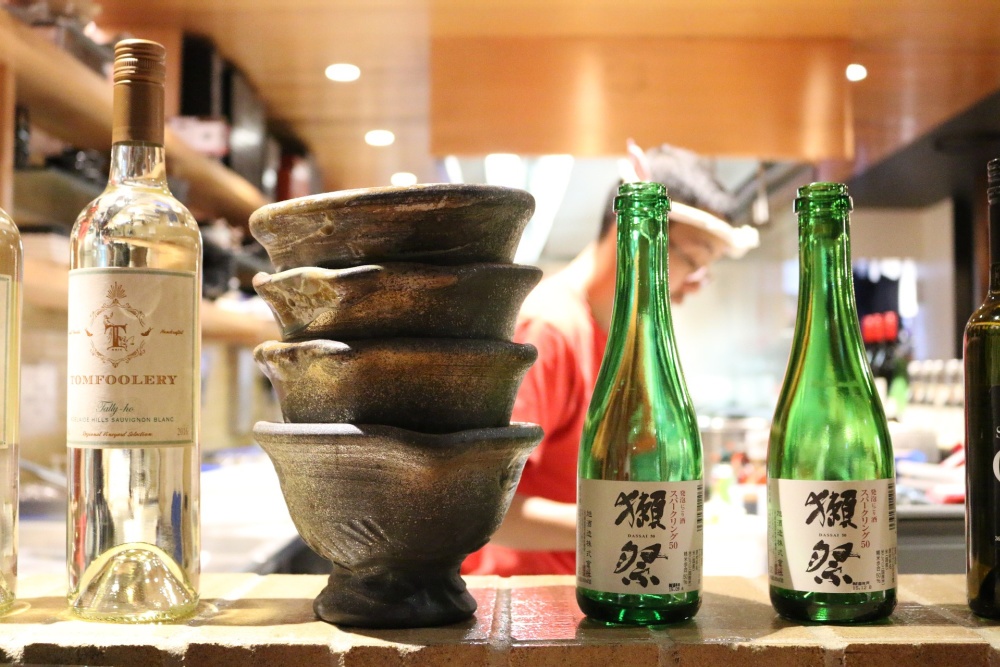
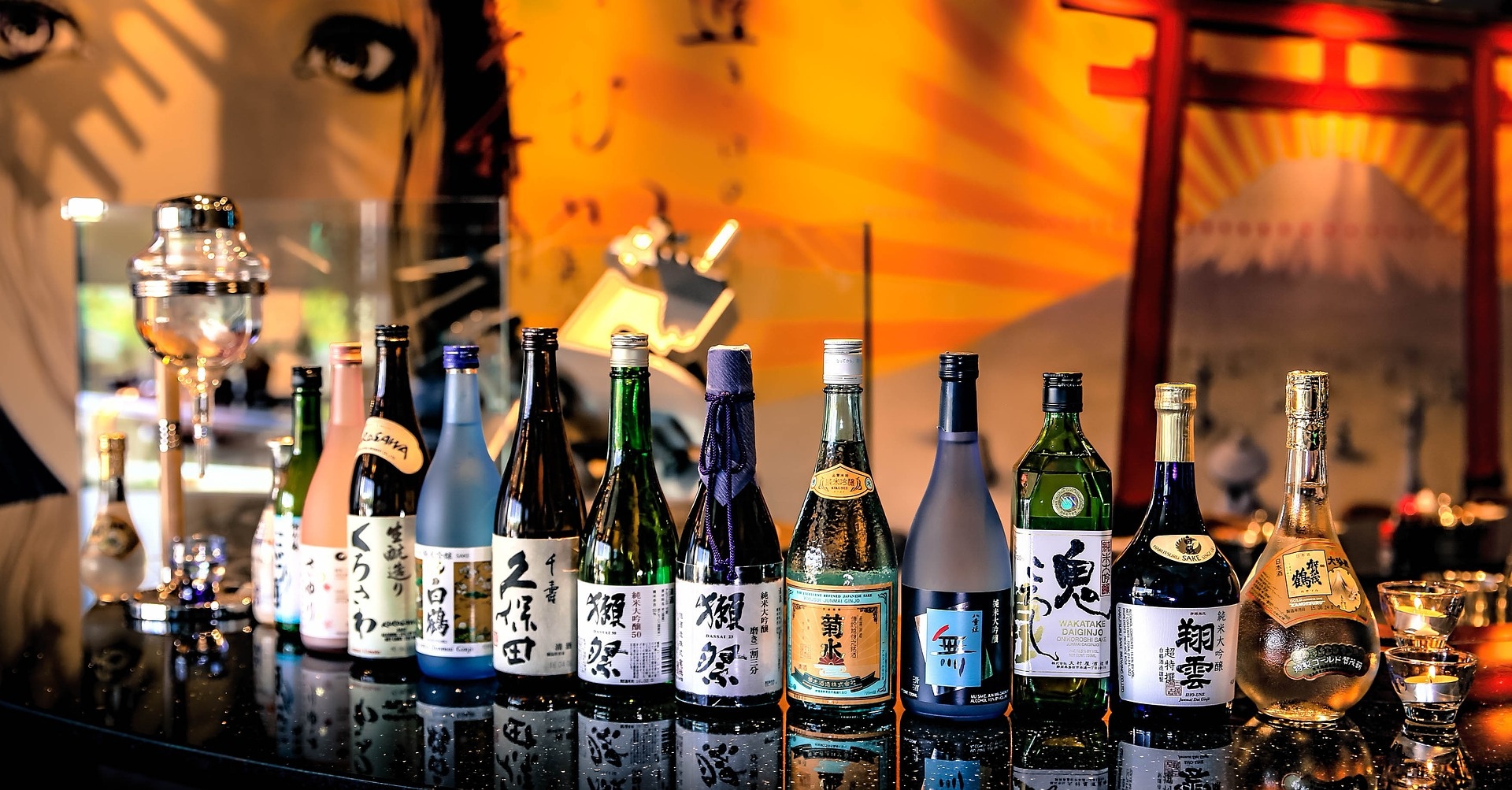
Sake (or saki) figures prominently in Japanese cultural events, holding an integral role in Shinto religious rituals. What is sake?  Sake is a fermented rice beverage, brewed like beer, with alcohol content of 15-17%. Sake brewing requires addition of Koji Mold and optionally distilled alcohol. Brewing takes 1-2 months and the drink is often aged 6+ months before shipment. Despite similarities to beer, select sake like fine wine.

Should You Serve Japanese Sake Cool or Warm?

Serve premium sake chilled not warmed. Some varieties are warmed to good effect, with temperature no higher than 105 degrees Fahrenheit. If you have only tasted warm house sake from local Japanese restaurants, you probably left with a bad aftertaste, lingering headache, and aching stomach. Premium sake has myriad subtle flavors without nasty aftereffects.

Sake Rice Wine Appearance, Nose, and Flavor

Sake is clear or straw colored. Sake is generally lighter, more delicate and less fragrant than white wine. The nose should be fruity, grainy, or herbal without odd aromas like paper or rubber. Sake may be dry, light and crisp or heavy and sweet. There should be no unpleasant aftertaste.

Like French fine wines, sake from a particular locale retains certain characteristics determined by rice variety, water quality, and prevailing brewing techniques. Let personal preferences for taste, acidity, and mouth feel guide you.

What is sake?

Selecting Sake Rice Wine

After aging, breweries ship sake at peak drinkability. Sake degrades in quality after leaving controlled brewery conditions. Selecting the freshest sake available obtains intended flavor. Look for sake less than a year old, an exception being brownish/yellow Konshu aged longer.

Japanese Sake Grade

Eighty percent of sake is “futsu-shu” or table grade, the likely designation of house sake served at Japanese restaurants. Premium sake holds 20% of the market. This special designation sake, or “tokutei meishoushu,” is graded depending on milling and addition of distilled alcohol.

Milling removes tough rice husks and results in more delicate, complex flavor. “Honjozo” has at least 30% of the grain milled away; “Ginjo” is 40% milled, and “Daiginjo” has 50%-65% of the grain removed before brewing. “Junmai” before any of these terms means that distilled alcohol is not added.

The designation “junmai daiginjo,” represents the apex of premium sake. The discriminating buyer should be aware that “Junmai” as a sole designation no longer has any specified milling rate, allowing large commercial brewers to enter the premium sake market without labor-intensive, expensive milling.

What is Japanese Wine?

Sake Rice Wine Price

Sake prices vary widely depending on grade, rice quality, milling technique, and brewer craftsmanship. US sake distributors carry 180-750 mL bottles priced from $8 to $100 and up. Handcrafted small-scale batches fermented for months command premium prices compared to commercial batches quickly brewed in less than three weeks.

Midrange sake of sturdy quality makes for good everyday drinking. Finely balanced, more delicate varieties can be temperamental under household storage conditions. Reserve for special occasions, consuming quickly for optimal flavor.

Japanese Sake Rice Wine Storage

Sake keeps for six months with refrigeration or storage in a cool room 50-60 F, away from strong light. Sake should be consumed quickly upon opening. Flavor will quickly degrade within a few days. It will still be safe to drink, but won’t taste as good!

Host a Japanese Sake Sipping

The best way to select premium sake is by tasting. Purchase a few varieties, invite friends, and explore. My favorite way to sip on sake is at Epcot in Walt Disney World. Japan serves a variety of sake and you couldn’t ask for a better environment for sipping authentic sake!

Learn about sake

Have you tried sake before?  Did you like it?

Be sure to follow Food Wine Sunshine on Facebook, Twitter, Pinterest, and Instagram for more wine tips and experiences, healthy recipes, and travel.

Is Sparkling Wine Champagne?

This post may contain affiliate links, please read our disclosure policy.

If there are bubbles, does that make it champagne? Is champagne the same thing as sparkling wine? Is sparkling wine the same as prosecco? Discover the differences, all sparkling wines are not the same.

Is Sparkling Wine Champagne?

Is Sparkling Wine Champagne?

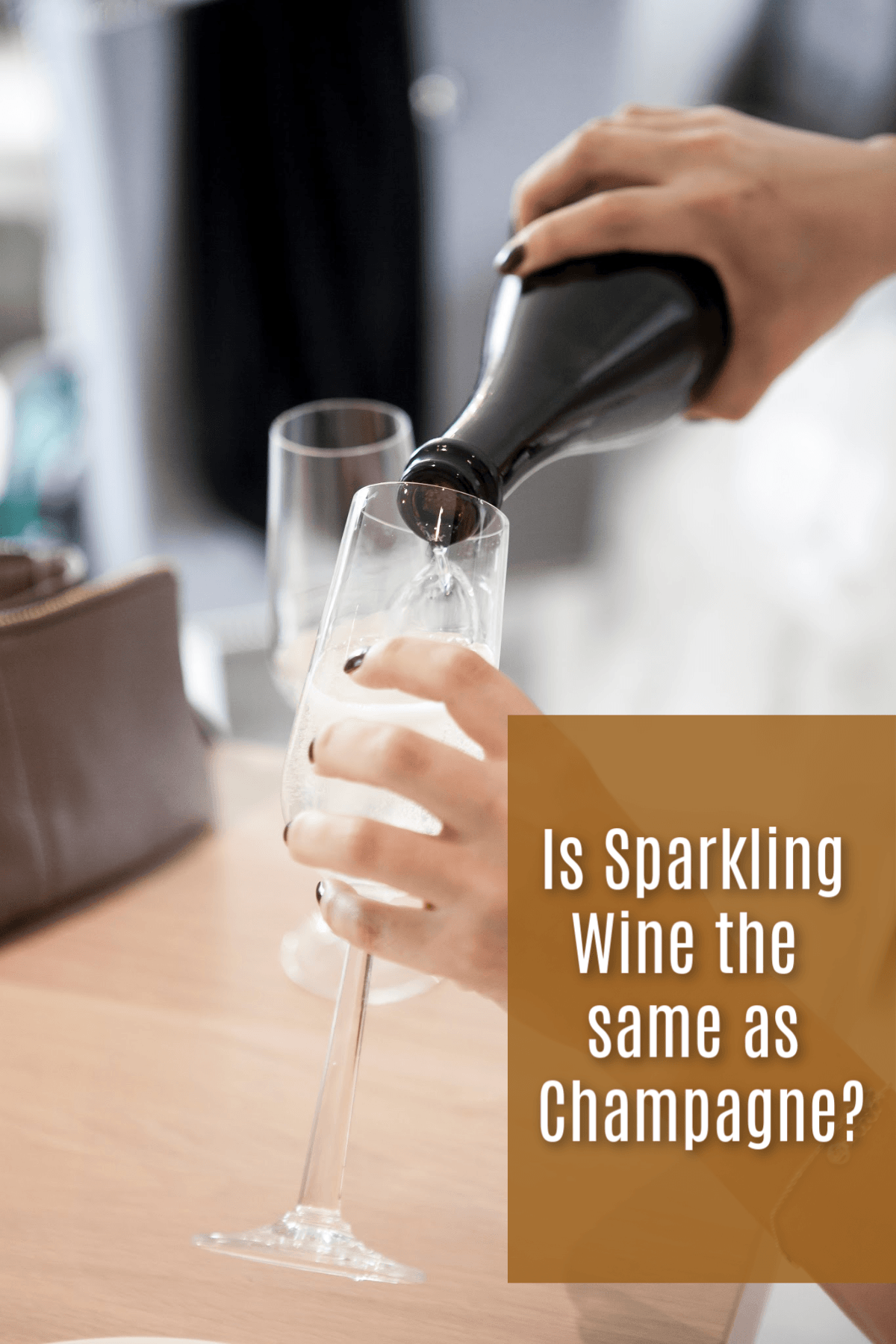
Is sparkling wine the same thing as champagne?  Aren’t they both just wine with fun fizzy bubbles in it? Not exactly. There is a little more to it than just being a wine with fizzy bubbles in it so let’s take a minute and talk about the differences between sparkling wine and champagne.

Of all the hundreds of different kinds of wine, Champagne and sparkling wines offer a uniqueness not found in any other type of wine.

For starters, all dry table wines are appreciated primarily for their aroma and flavor profile. The first thing we do in enjoying these wines is to smell them, then taste them. Champagne and all other sparkling wines are different. Most people don’t even bother to smell them, it’s a visual experience. But when we taste Champagne, it’s primarily a textural experience as the bubbles dance around on our tongue.
So first things first, yes champagne is a sparkling wine, however not all sparkling wines can be called champagne. For a sparkling wine to be called champagne it must be made from grapes grown in the Champagne region in Northern France. Champagne is typically made from a blend of three different types of grapes grown in the region. These grapes are Pinot Noir, Pinot Meunier, and Chardonnay.

Champagne’s Uniqueness

Champagne, is made from an unripe fruit. The Champagne region is too far north and too cold to ripen the grapes from which its wines are made. The still wines used to make Champagne are called Clairette. They make terrible still table wine as their aroma and flavor profile is underdeveloped. But they make splendid sparkling wine! Many people assume that Champagne doesn’t have much aroma and flavor. This may be true of inexpensive tank-fermented sparklers and inexpensive Cava and Prosecco. But it is not true of carefully made Methode Champenoise wines.

Initially, the bubbles found in champagne bottles were thought to be a bad thing, understandably so when wine bottles start exploding around you. This was caused by the yeast being re-activated in the bottles when warm spring temperatures started, and this would cause too much carbon dioxide to build in the bottles until they exploded. Dom Perignon, a French Benedictine monk, grew up in the vineyards and his job in the monastery kept him in the vineyards and cellar. It was here that he perfected the methode champenoise wine production style.

Difference between Sparkling Wine and Champagne

To cause the secondary fermentation process the wine base is mixed with a liquer de tirage, a wine solution of sugar and yeast. After the secondary fermentation, the dead yeast is removed in a process where the upside-down bottles are turned little by little. When all of the lees have settled in the neck, the bottleneck is frozen and the temporary cap is removed. Once the cap is removed pressure in the bottle causes the frozen lees to shoot out, in a process called disgorgement. The small space left in the bottle from the removal of the lees is filled with liqueur d’expedition in a process called dosage, which will later determine how sweet the wine will be. Champagne must age for at least 15 months to remove the lees and 36 months for vintage champagne. That price tag is starting to look a little more reasonable, isn’t it?

Difference between Champagne and Sparkling Wine

What is Prosecco?

Prosecco is another type of sparkling wine that has everything to do with where it is made and the grapes that are used. Prosecco can only be called Prosecco if it is from the Veneto region of north-eastern Italy and is made from glera grapes. Prosecco is made through a process called the Charmat Method where a large quantity of wine goes through a secondary fermentation process in large stainless steel tanks. The wine is then bottled under pressure. Sparkling wines made via this method are not meant to be aged, they are best tasting when they are still quite young.

Frizzante Wines

Some wines, especially Italian and Portuguese whites, are made to have a very slight fizz. The French call these wines pétillant (their word for “fizzy”). You may not see the bubbles, but you will feel a little fizziness on your tongue. These really still wine with a little texture and are enjoyed like other dry table wines. They are made from fully ripe fruit and have distinct aroma and flavor profiles.

Old Habits Die Hard

Since fine Champagne is frightfully expensive, most of the sparkling wine we consume is of a lesser type—the kind that has a very little aroma to arouse our interest. We are inclined to enjoy it for its visual and textural features. The aroma and flavor are decidedly of secondary interest. But when we pour fine Champagne, many of us are inclined to treat it in the same way—enjoying its visual and textural qualities while ignoring its delicate aroma and flavor profile.

The Glass Is Key

No other wine type enjoys the enormous spectrum of styles, as does the Champagne glass. Originally said to be molded from the breast of Marie Antoinette (rather unlikely), the Champagne “coupe” enjoyed standard status well into the closing years of the 20th century and is still seen at many “Champagne brunches.” The wide and shallow coupe has been solidly discredited and has largely given way to the “flute.”

Flute shapes highlight the rising bubbles and best satisfy the visual appeal of sparkling wines. The best flutes have a tiny etched bottom that encourages the bubbles to form. They come in every conceivable design, and many designs feature arty elements that provide a splendid stage for the wine’s visual appearance. The flute has become the shape of choice for almost all lovers of sparkling wine. Almost—but not all. The dissenters are usually the makers of fine sparkling wine and wine lovers that have noticed the delicate elegance of aroma and flavor that great sparkling wines offer.

The Choice of Professionals

You may be shocked to hear it, but most wine professionals favor the aroma and flavor of the fine sparkling wine more than they enjoy watching the long rise of the tiny bubbles in the glass. They choose a standard white wine glass that highlights the true character of the wine. Our choice? There are a few wineglass shapes that blend the standard tulip shape with the flute shape. Such glasses are tall and somewhat slender, but are bulbous enough to allow some swirling and have the requisite inward curving lip. The best of both worlds!

There are many other different ways that sparkling wine can be made and it can be made with a variety of different grapes and grape blends. Sparkling wine has been growing in popularity across the globe even being used as a drink that will cleanse the palate in between courses of a gourmet meal. Far from just being used for special celebrations or mixing it with fruit juice to make a mimosa sparkling wine is really starting to come into its own.

Do you like sparkling wine?  How about Champagne?  Prosecco?  Which is your favorite sparkling wine?

Is Sparkling Wine the same as Champagne?

Be sure to follow Food Wine Sunshine on Facebook, Twitter, Pinterest, and Instagram for more wine tips and experiences, healthy recipes, and travel.

Follow Me!