


Simple Ways To Add More Vegetables To Your Diet (That Actually Work!)
Find out some simple ways to help add vegetables to your diet. These simple changes are great for children, as well as adults.
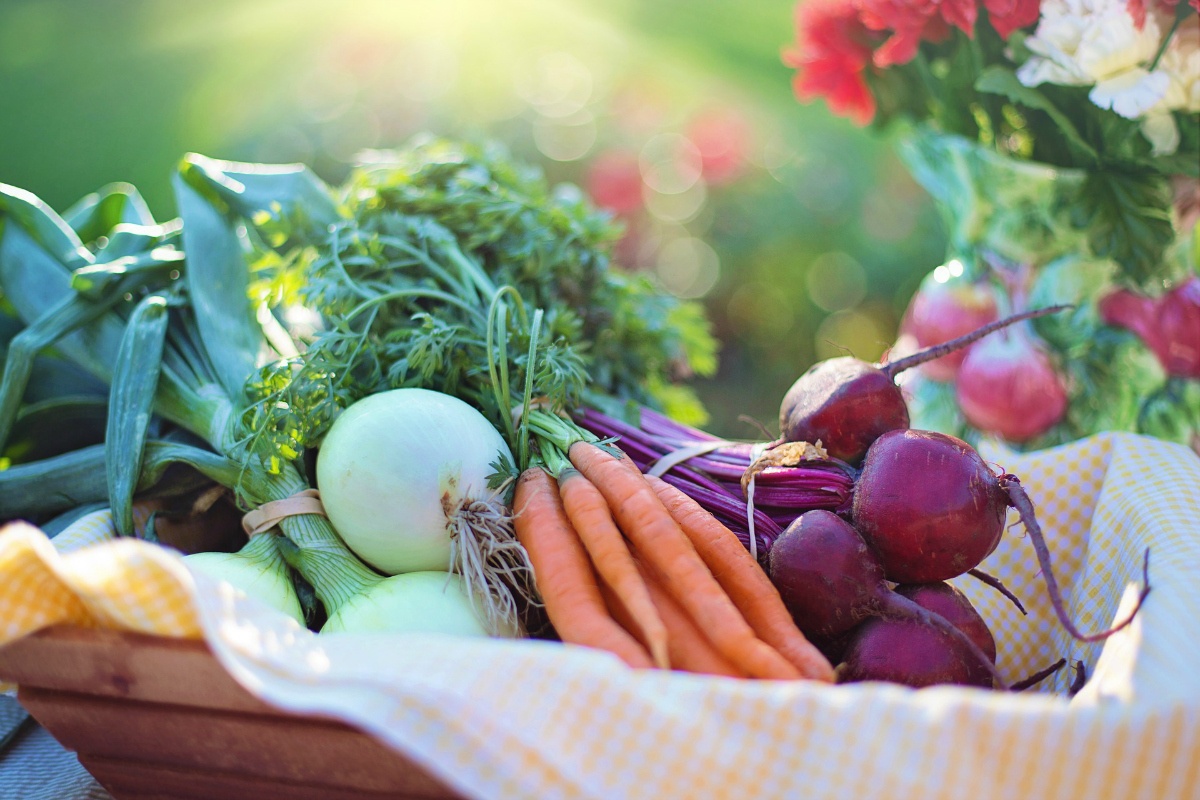
6 Simple Ways To Add More Vegetables To Your Diet
It’s a well-known fact that many people simply do not enjoy eating their vegetables. This makes the suggested 3-5 servings of vegetables a day quite difficult for most people. Although it may seem tedious, it’s actually quite easy to incorporate vegetables into foods to help disguise them or make them more tolerable. These suggestions work great for both children and adults and make it a lot easier to get 3-5 servings of vegetables per day.
Adding more vegetables to your diet will not only make you healthier overall, but they can also boost your immune system and help increase your metabolism.
Here are easy ways to start adding more vegetables to your diet
Sneak Pureed Vegetables Into Foods
Sometimes it can be difficult to convince children or adults, to eat more vegetables. A simple way to add more vegetables to your food is to add pureed or processed vegetables into foods. Pureed vegetables can be added to juices, sauces, and more.
Pureed or processed vegetables can also be easily disguised in pasta sauces or other sauces or casseroles that are being served for dinner. Pureed vegetables can also be heated and served as a soup, or adding to another type of soup to help disguise it for children or fussy adults.
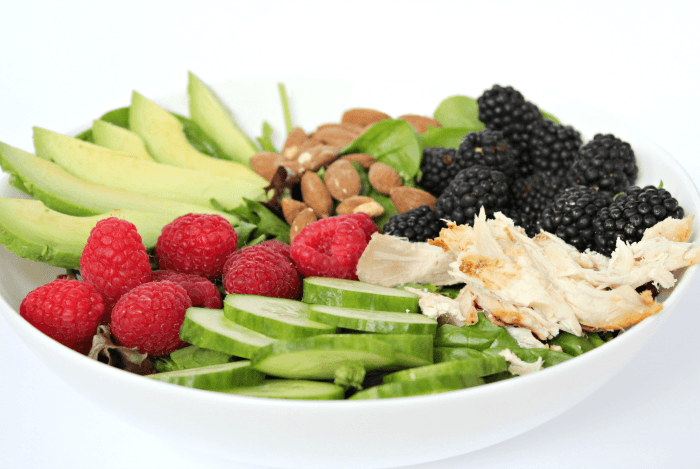
Play Around with Salads
Lots of people enjoy salads but tend to eat them plain with dressing. While others don’t much care for bland salads. However, there are endless possibilities for salads. Try adding more fresh vegetables (even some fruit) to your salad. A salad can easily offer an entire day’s recommendation for vegetables if a variety of vegetables are used. Countless salad suggestions can be found online, and there are options that will satisfy anyone. One of my favorite salads is this Berry Delicious Avocado Chicken Salad. For fussy children, try allowing them to pick their own ingredients by setting up a small salad bar with different healthy and some fun options. Also try switching up your salad dressing, or making your own, this Strawberry Balsamic Vinaigrette Dressing is a family favorite of ours.
Embrace Convenient Veggies
Let’s be honest, time is often the biggest barrier to eating more greens. But convenience doesn’t have to mean unhealthy.
Pre-cut, frozen, and even canned vegetables still offer plenty of nutrients, and they make it much easier to actually use what you buy.
A couple of easy ways to lean into convenience:
- Sheet pan dinners (a weeknight lifesaver!)
Toss your favorite protein and pre-cut veggies (like broccoli, carrots, or Brussels sprouts) onto a sheet pan, drizzle with olive oil, season, and roast. Minimal prep, easy cleanup, and tons of flavor. - Soups and quick add-ins
Whether you’re using a packaged soup or making your own, it’s easy to add extra vegetables. Toss in spinach, peas, carrots, or zucchini for an instant nutrition boost. This spicy butternut squash soup is one of our favs!
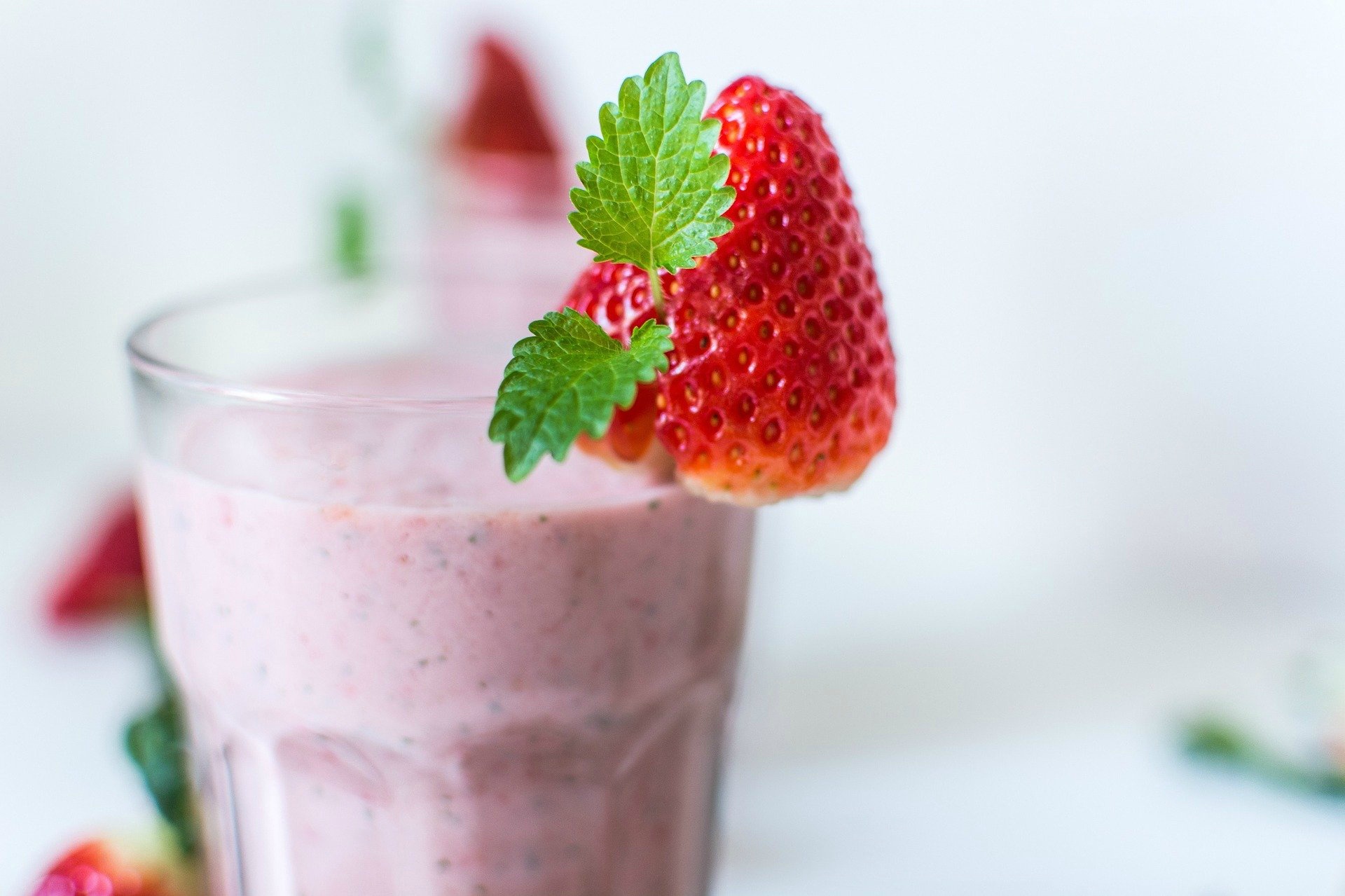
Make Smoothies
Smoothies are an excellent way to blend your favorite fruits and vegetables into a delicious creation. Blended together, you will rarely taste the vegetables, the sweetness of the fruit will usually shine through. If you are looking for some simple smoothie recipes, try this Apple Carrot Cucumber Smoothie. The carrots are sweet too, so you will never know that you are getting in some additional vegetables to your diet.
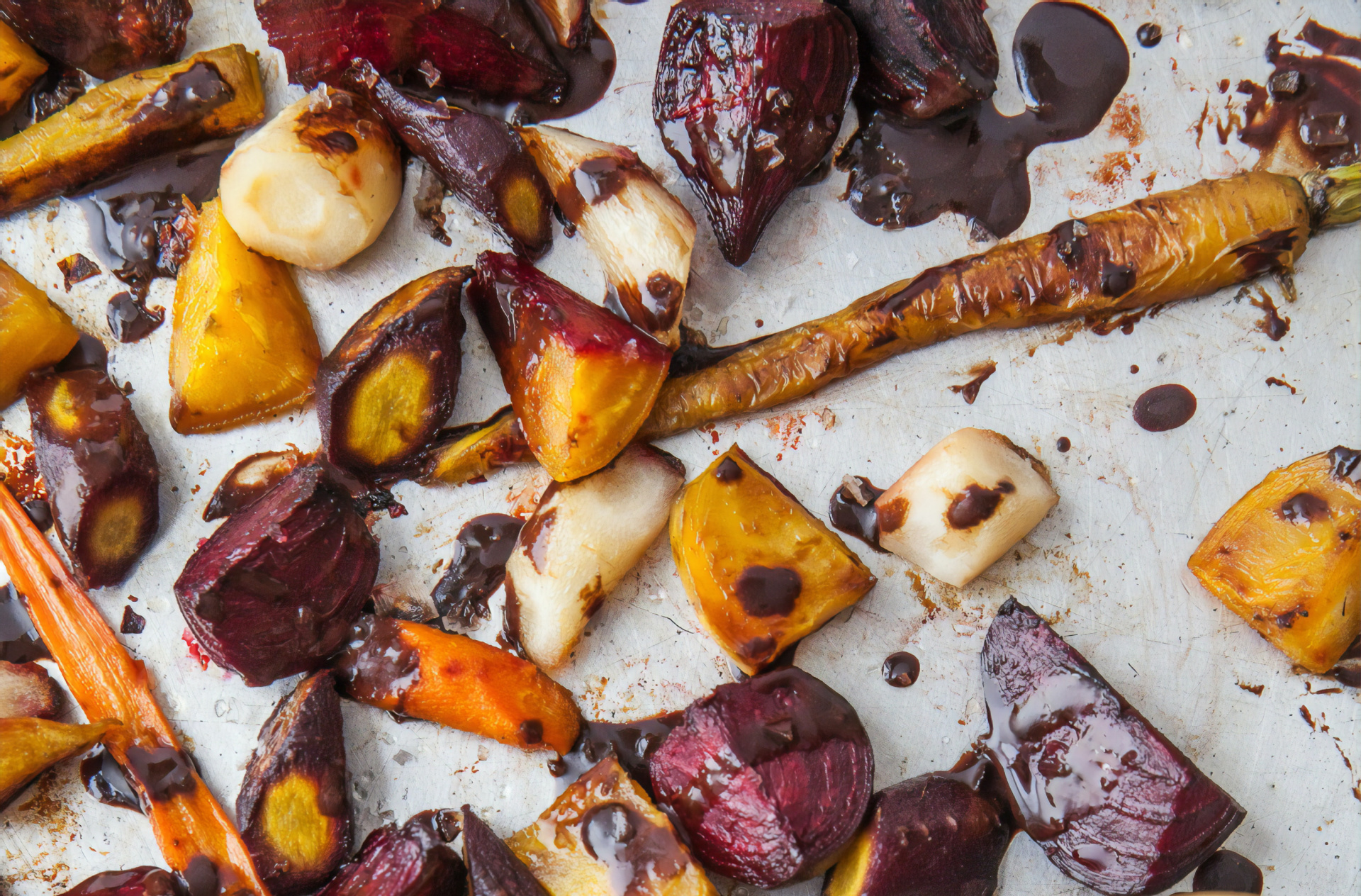
Roast Vegetables
If finding new ways to cook great tasting vegetables seems impossible, consider the simplicity of roasting vegetables. Even the fussiest eaters will ask for more. Gone are the days when the only choice for cooking vegetables was a can of soggy, salt-laden peas from the local grocery store. Although frozen vegetables are a better alternative, it’s time to rethink how best to cook fresh vegetables. Now easier than ever to find all types of fresh vegetables throughout the year, flavor, nutrients, and enjoyment need not be compromised for the unappreciated broccoli, cauliflower, beet, asparagus, or any from the vast array of choices found in the produce section.
Roasting is becoming the next great method for preparing delicious and nutrient-rich vegetable dishes, and it’s easy. Simply prepare fresh vegetables by washing and cutting into even-sized pieces (for those such as cauliflower, broccoli, beets, carrots. Asparagus can be roasted whole) and tossing them with 1-2 tablespoons of oil (extra virgin olive oil is a great choice, but walnut, peanut, or any flavored oil can work well) and sprinkle on salt and pepper.
Spread the vegetables out on a cookie sheet in a single layer to allow for even roasting. Approximately 375 – 400 degrees works best, (I often use 400 degrees) but experiment with temperature for individual tastes. Depending on the type of vegetable (such as broccoli, carrots, or beets which take longer than asparagus) roast vegetables anywhere from 15 to 30 minutes. For example, cauliflower is particularly tasty with a bit of browning on the ends, and the same is true for broccoli.
Many nutrients are lost in the water of steamed vegetables, but not when they are roasted! Plus, roasted vegetables will often have crispiness that fussy eaters are much more likely to try.
One more advantage of roasting vegetables to a crunchy outside is that even as cold leftovers, they retain their taste and nutrition. My family will definitely roasting vegetables make them 100xs better. My kids aren’t fans of broccoli or cauliflower, but if I chop it up nice and small, add some seasoning and olive oil, then roast them, they eat every late piece on their plate. My husband and I do too. We also love roasting zucchini and squash, it almost makes them like vegetable chips.
Add Vegetables to Meals You Already Love
At the risk of sounding obvious, one of the easiest ways to eat more vegetables is to simply add them to the meals you’re already making. No need to reinvent dinner, just build on what you already enjoy.
Here are a few easy ideas to get started:
- Bulk up rice or mashed potatoes with cauliflower
If texture or taste is a concern, this is a great place to begin. A small amount of cauliflower blends right in without dramatically changing the flavor. Try boiling it with potatoes or steaming it before mixing. - Stir extra veggies into sauces
Store-bought pasta sauces are a perfect shortcut – and an easy place to sneak in more nutrition. Add chopped tomatoes, spinach, bell peppers, mushrooms, or even grated carrots for extra flavor and texture. - Upgrade your eggs
Eggs are already a quick and satisfying meal. Toss in pre-chopped spinach, onions, peppers, or mushrooms to scrambled eggs or omelets for an easy veggie boost. Try this easy frittata recipe – it’s protein-packed and has some hidden veggies!
Tip: Frozen veggies work too – just be sure to drain them well.
Embrace Convenient Veggies
Let’s be honest, time is often the biggest barrier to eating more greens. But convenience doesn’t have to mean unhealthy.
Pre-cut, frozen, and even canned vegetables still offer plenty of nutrients, and they make it much easier to actually use what you buy.
A couple of easy ways to lean into convenience:
- Sheet pan dinners (a weeknight lifesaver!)
Toss your favorite protein and pre-cut veggies (like broccoli, carrots, or Brussels sprouts) onto a sheet pan, drizzle with olive oil, season, and roast. Minimal prep, easy cleanup, and tons of flavor. - Soups and quick add-ins
Whether you’re using a packaged soup or making your own, it’s easy to add extra vegetables. Toss in spinach, peas, carrots, or zucchini for an instant nutrition boost. This spicy butternut squash soup is one of our favs!
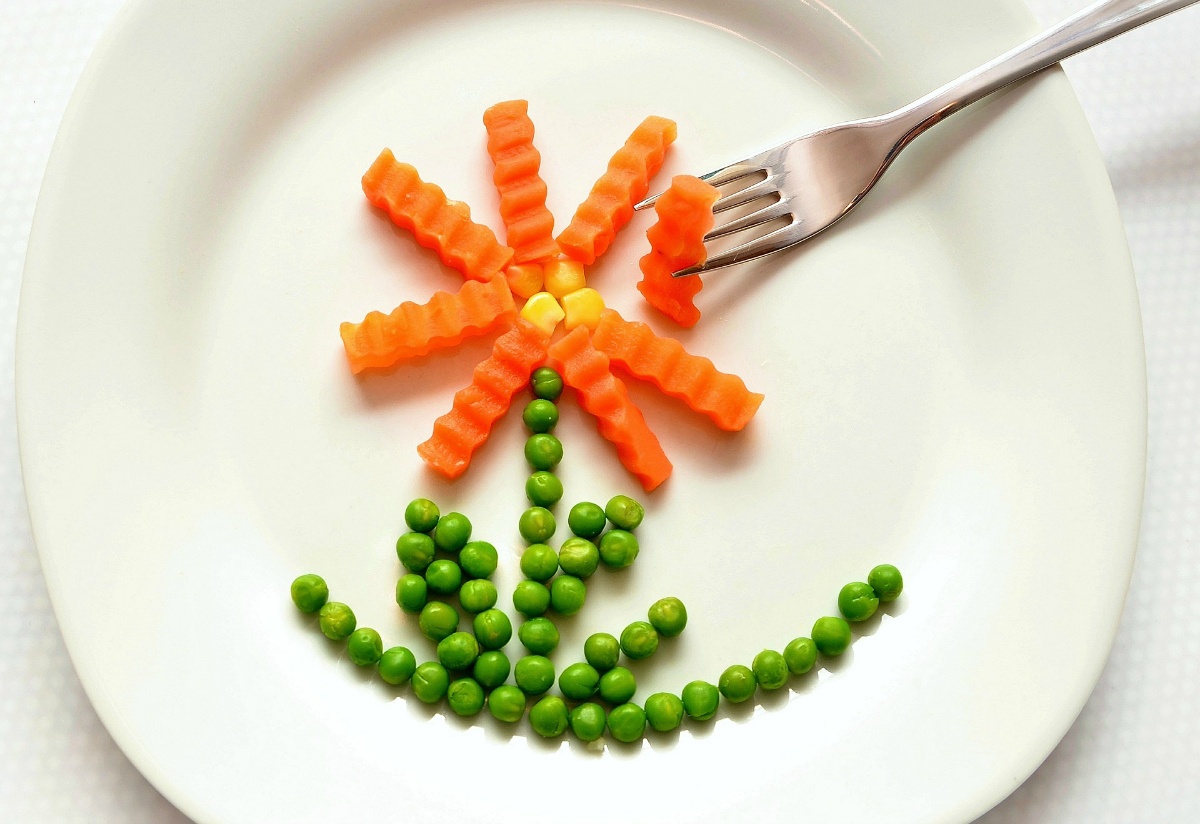
Make Vegetables Fun
Ok, this one may be a little more suited for the kids in your life, but that doesn’t mean adults don’t like to have a little fun with their food too 😉 Make “ants on a log” (peanut butter on celery topped with raisins), arrange some fruits and veggies on a plate into a fun shape, like a pumpkin or a silly face. You can also get more ideas for getting your picky eater to eat more vegetables on Healthy Family Project.
Choose Easy, Veggie-Packed Snacks
Snacks are one of the easiest opportunities to add more vegetables into your day—without feeling like you’re changing much at all.
Instead of cutting out your favorite snacks, try adding something fresh alongside them:
- Pair a handful of chips with sliced cucumbers or bell peppers alongside your favorite dip – we love this WW buffalo chicken dip and vegetable dip
- Enjoy your usual afternoon treat, but add baby carrots or snap peas
- Make a simple salad to go along with that yummy sandwich for lunch
If you’re feeling a little more adventurous, try making your own veggie chips – kale chips in the oven or air fryer are surprisingly delicious with just olive oil and a sprinkle of salt.
If your house is anything like mine, having veggies ready to grab makes all the difference!
Grow Your Own (Even Just a Little!)
If you have the space, growing your own vegetables can be incredibly rewarding and it often inspires you to eat more of what you grow.
Growing your own veggies is relatively simple. You don’t need a lot of space for a windowsill garden or for a few raised garden beds.
There’s something pretty rewarding about adding fresh herbs or homegrown vegetables to your meals and it can even get kids more excited about trying new foods.
Cook with Salsa
Salsa is a common dip, but it is also a great way to sneak more vegetables into the diet. Lots of salsas can be purchased now that contain a large variety of vegetables, and can also be found in healthier versions like low sodium. Salsa can be baked over chicken, or even used in casseroles. Salsa can also be mixed in with ranch dressing or vinaigrette, or even used plain, to help dress up a salad.
There are also thousands of recipes and more unique ways that can be found online for the use of salsa. Salsa can also be added to pasta sauces to help add texture to pasta sauce and add in some extra vegetables; this is especially helpful for salsas that contain a lot more than the typical diced tomato and onion.
Making Eating More Greens Simple (and Delicious!)
Adding more vegetables to your meals doesn’t have to feel overwhelming—or forced.
With a few simple swaps, a little creativity, and some smart shortcuts, you can make greens a natural (and delicious) part of your everyday routine. Start with one or two of these ideas this week and build from there.
Before you know it, eating more vegetables will feel like second nature – for you and your whole family.
Bonus Tip: Try Different Cooking Methods
If you think you don’t like vegetables, it might just be the way they’ve been prepared.
Boiled veggies can be a bit… underwhelming. But roasting, sautéing, or grilling brings out natural sweetness and adds so much flavor.
Try:
- Roasting broccoli or carrots with olive oil and seasoning
- Sautéing green beans with garlic
- Adding a sprinkle of cheese or a squeeze of lemon for extra flavor
A simple change in cooking method can completely transform how vegetables taste.
Do you have picky eaters at home? Are you looking for simple ways to add more vegetables to your diet? I hope these tricks and tips help!
Be sure to check out all my healthy lifestyle tips and recipes and follow me on Facebook, Pinterest, and Instagram for more fitness motivation tips.


